Copenhagen's Sweet Tap Water
哥本哈根的水
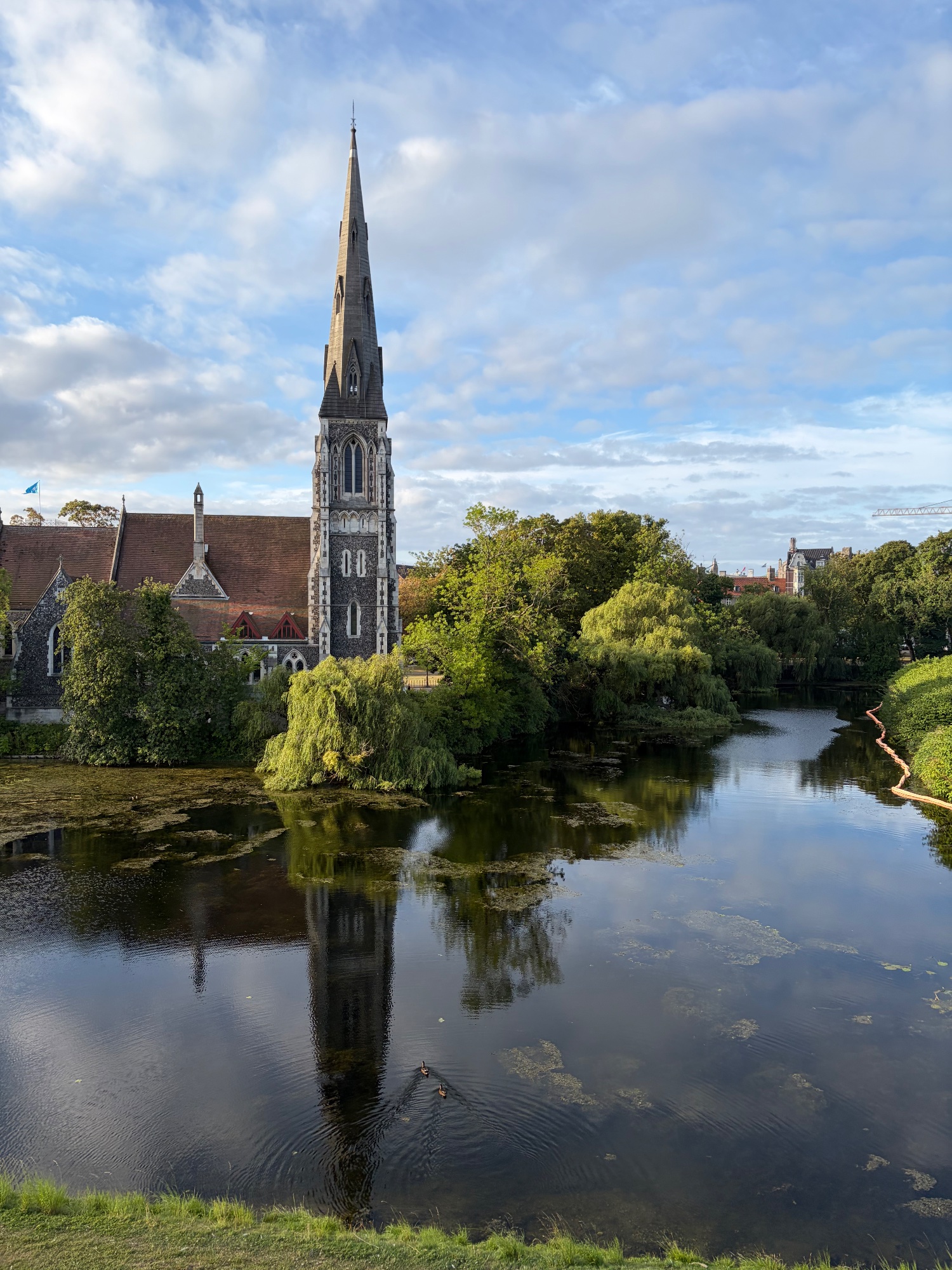
Used to drinking tap water in Singapore, I kept the habit in Copenhagen — just turned on the tap and drank straight from it. Turns out Copenhagen's tap water is unexpectedly sweet. No wonder hotels here don't hand you two bottles of mineral water like hotels elsewhere do.
After checking in, drinking tap water actually felt like a treat. The water was sweet, clean, crisp, almost no chemical taste at all.
Curious, I looked into it and found that how a country treats its water really says a lot about how serious it is.
About 99% of Denmark's drinking water comes from groundwater. After rain falls, it slowly seeps through clay, sand, and limestone layers, usually taking 30 to 50 years to reach the extraction layer. Along the way it's naturally filtered by the earth itself, so the source water starts out clean — unlike many cities that pump water from rivers or reservoirs and then put it through a whole complicated treatment process.
At the treatment plant, the process is also minimal: first aeration to release gases like methane and hydrogen sulfide while oxidizing and precipitating iron and manganese; then sand filtration to remove those particles. Since 2009, Copenhagen has stopped adding chlorine to its tap water. No bleachy smell — that's the key reason many people find it especially tasty.
The 'sweetness' isn't from added sugar, but from a combination of minerals and contrast. The Zealand area sits on limestone-rich geology, so the water carries calcium and magnesium, giving it decent hardness — round and full on the tongue, not empty like purified water. The salt content is low too, so it's never salty or noticeably bitter. People often describe it as fresh, clean, with a slight sweet aftertaste.
Apparently, if you're used to tap water with residual chlorine and a sharper taste, the contrast is especially stark, and your brain easily registers this water as sweet.
Reportedly, Danish water utilities are now gradually softening the water to reduce limescale, but the overall philosophy hasn't changed: protect the groundwater, minimize chemical additives, and preserve the water's natural taste as much as possible. Locals are confident about it — public water fountains are everywhere, ordering tap water at restaurants is completely normal, and even the ice cubes are safe to drink.
So that sweetness isn't an illusion — it's the result of geology, time, and minimal intervention all coming together.
So when you clear customs at the airport, go ahead and gulp it down — real mineral water, straight from the tap.
在新加坡喝惯了自来水,到哥本哈根后也保持这个习惯,拧开水龙头就喝。没想到哥本哈根的自来水居然这么甘甜,难怪这里的酒店不像别处那样,会给你放两瓶矿泉水。
入住后喝自来水,竟成了一种享受。水甘甜、清爽、干净,几乎没有化学味。
查了原因才发现,一个国家对水的处理方式,真能看出它的认真程度。
丹麦大约99%的饮用水来自地下水。雨水落地后,要慢慢渗过黏土、砂层和石灰岩,通常需要30到50年才能到达开采层。这一路相当于被地层天然过滤了一遍,水源一开始就比较干净,不像很多城市那样,需要从河流、水库抽水后再做一整套复杂处理。
到了水厂,工序也很克制:先曝气,把甲烷、硫化氢这类气体排出去,同时让铁、锰氧化沉淀;再经过砂滤,把这些颗粒物滤掉。哥本哈根从2009年起就不再往自来水里加氯了。没有漂白水的味道,是很多人觉得它特别好喝的关键。
口感上的“甜”,并不是加了糖,而是矿物质和对比感共同造成的。西兰岛一带地质偏石灰岩,水中带有钙和镁,硬度不低,喝起来圆润饱满,不像纯净水那样寡淡。盐分也不高,所以不会发咸,也不会明显发苦。人们常用fresh、清爽、带点回甘来形容它。
据说,如果平时喝的是带余氯、味道更“冲”的自来水,这种反差会特别明显,大脑很容易就把它记成甘甜。
据报道,如今丹麦的供水公司也在逐步软化水质,减少水垢,但整体思路没有变:保护地下水,少用化学药剂,尽量保留原水本身的味道。当地人对此很自信,公共饮水机随处可见,餐厅里点自来水很常见,冰块也能直接放心喝。
所以那一口甜,不是错觉,而是地层、时间和极少人工干预叠加出来的结果。
所以啊,等你入境哥本哈根,尽管咕嘟咕嘟喝个痛快——那可是从水龙头里流出来的真正的矿泉水。
Comments 评论
No comments yet · 还没有评论