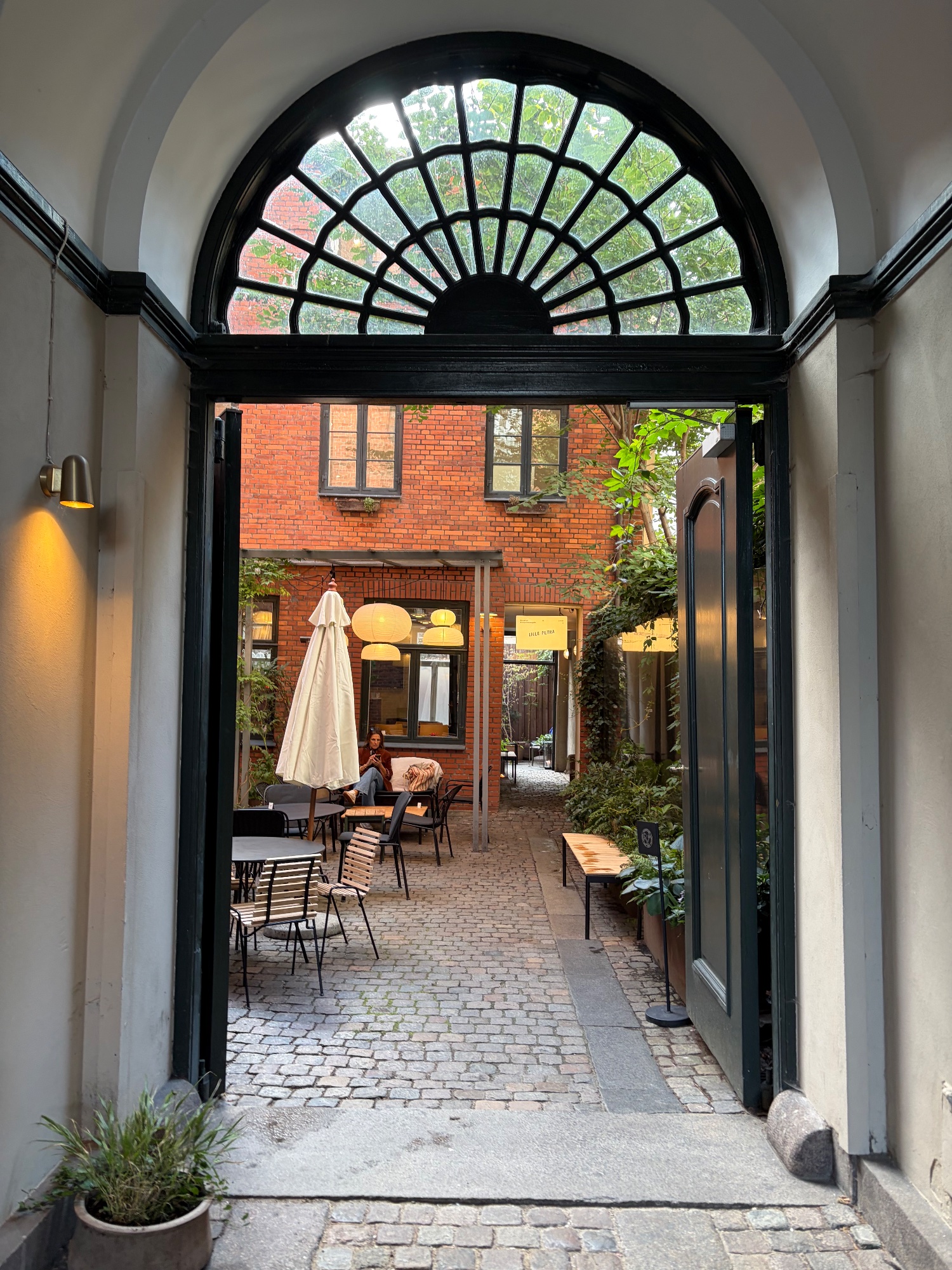
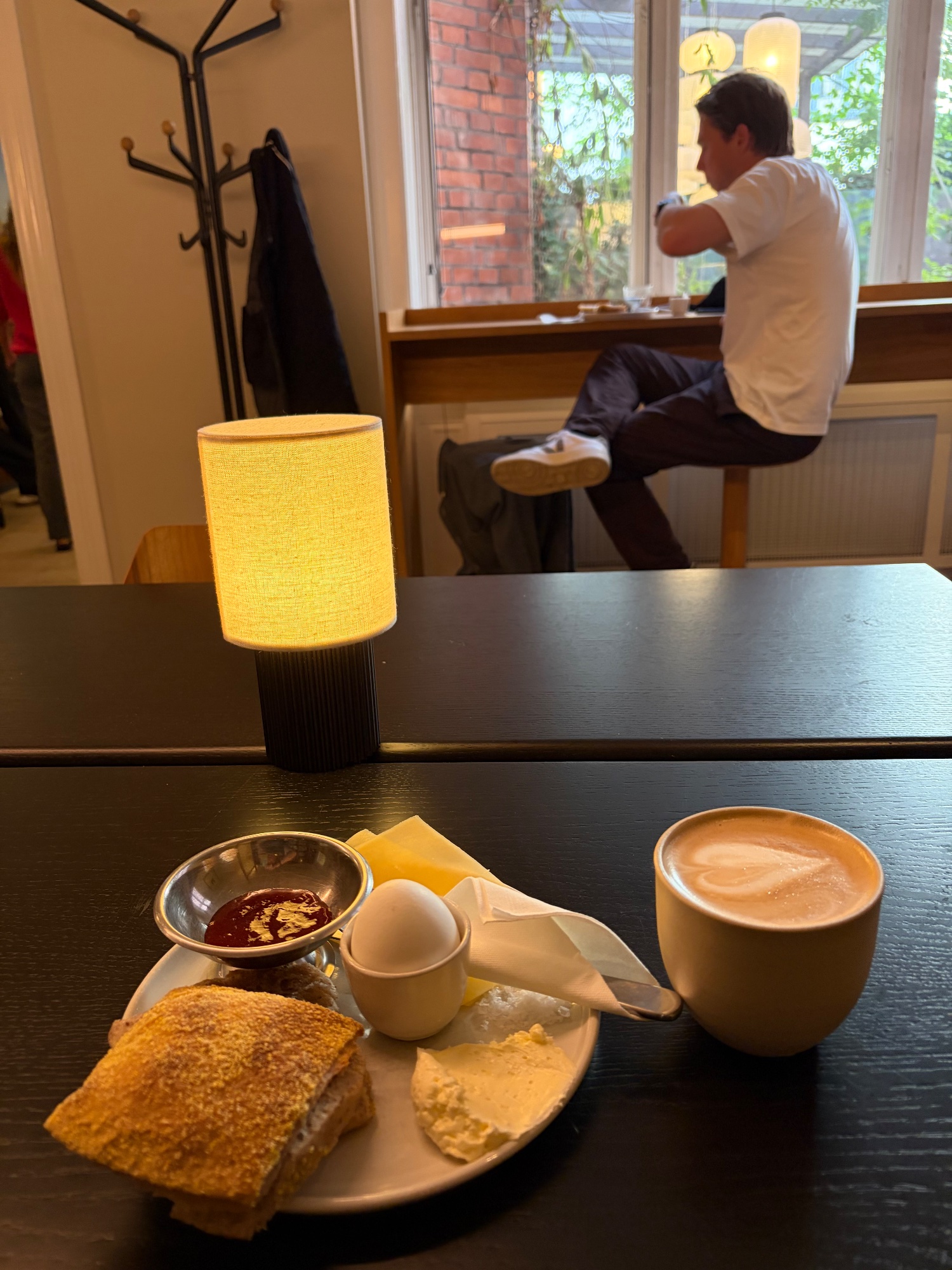
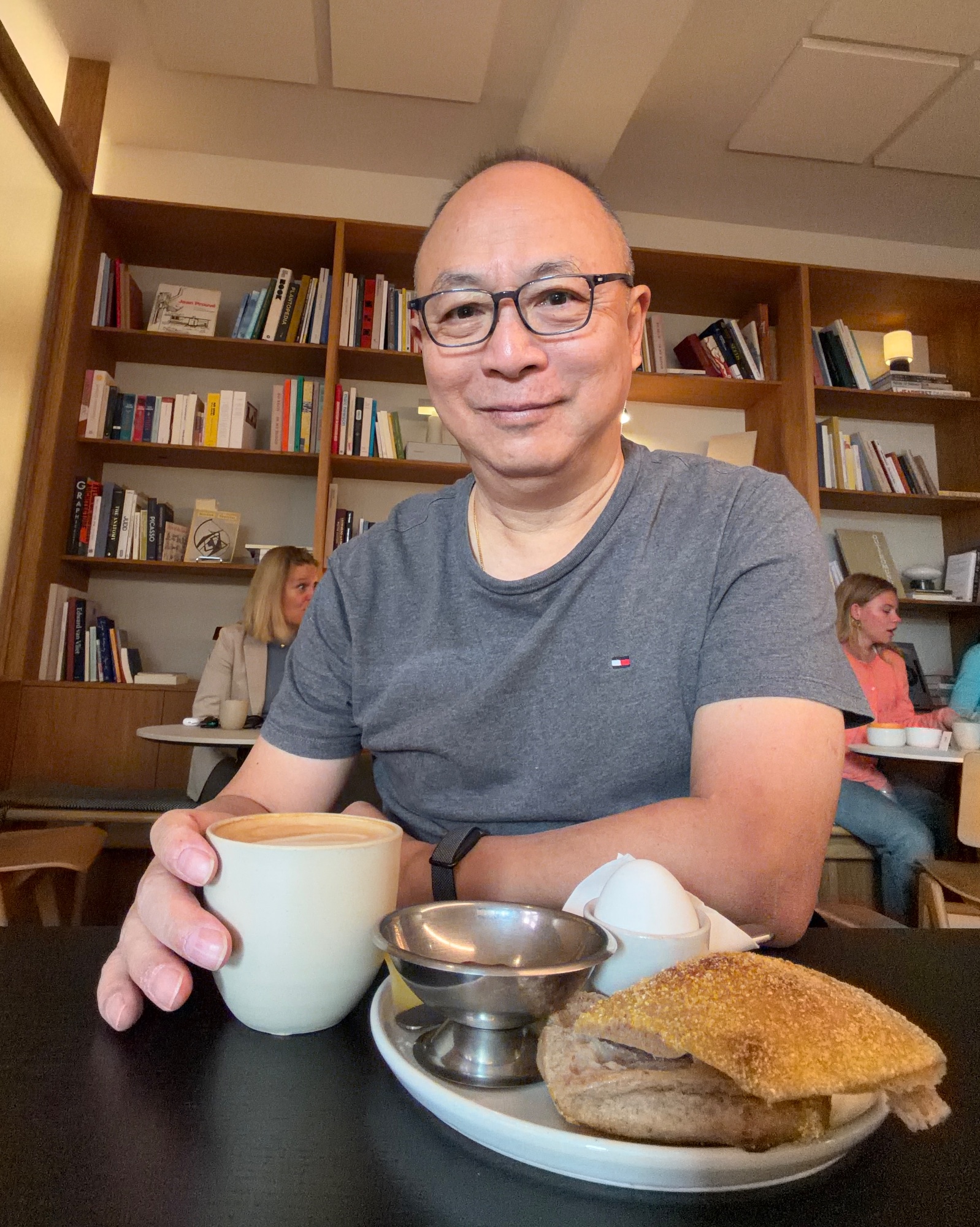
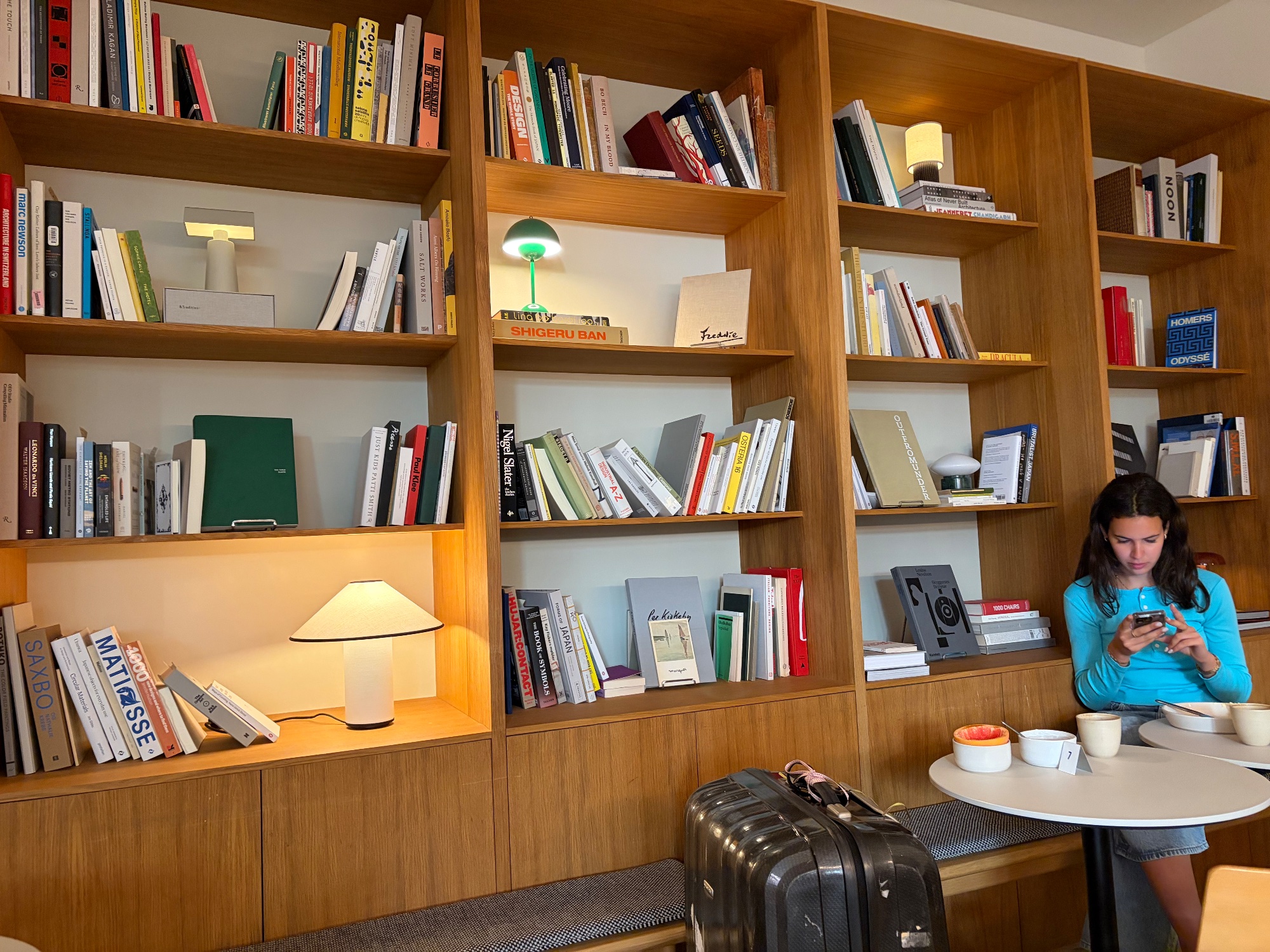
Before saying goodbye to Copenhagen, I came here for breakfast. It's a café hidden inside a courtyard. In Copenhagen, many of the best restaurants are tucked away in courtyards — you really have to search to find them.
Lille Petra Café is one of Copenhagen's best-kept secrets, blending top-tier Danish design, cozy hygge living, and New Nordic food in a truly perfect way.
This café is nothing like your average street-side eatery — it's actually the flagship showroom and social café of &Tradition, Denmark's leading furniture and lighting design brand.
The café's name, "Lille Petra" (Little Petra), comes from the legendary Little Petra Chair (VB1), designed in 1938 by Danish architect and designer Viggo Boesen. Known for its compact, embracing curved lines and soft wool upholstery, this chair represents the warm, welcoming design language of early Danish modernism.
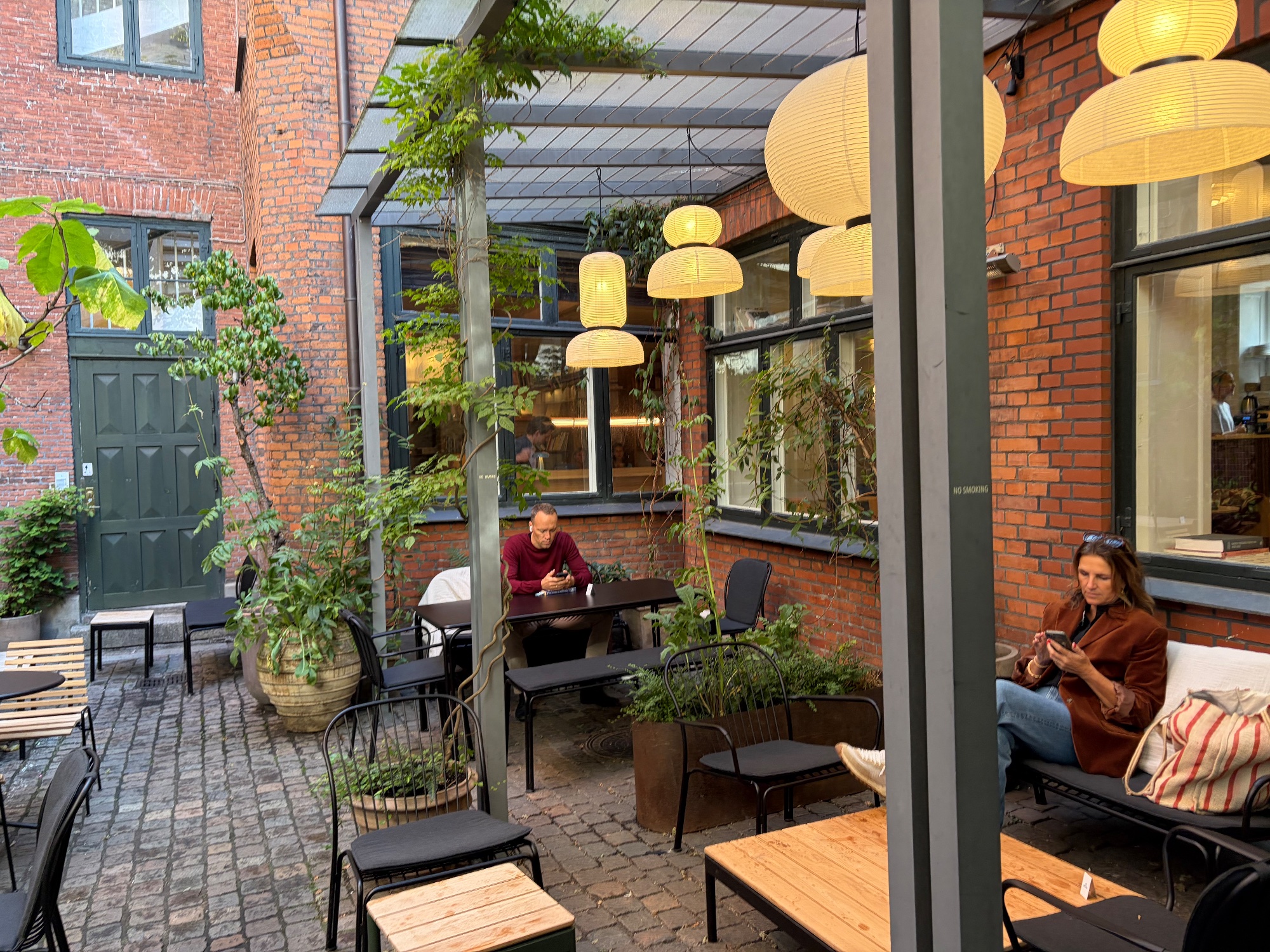
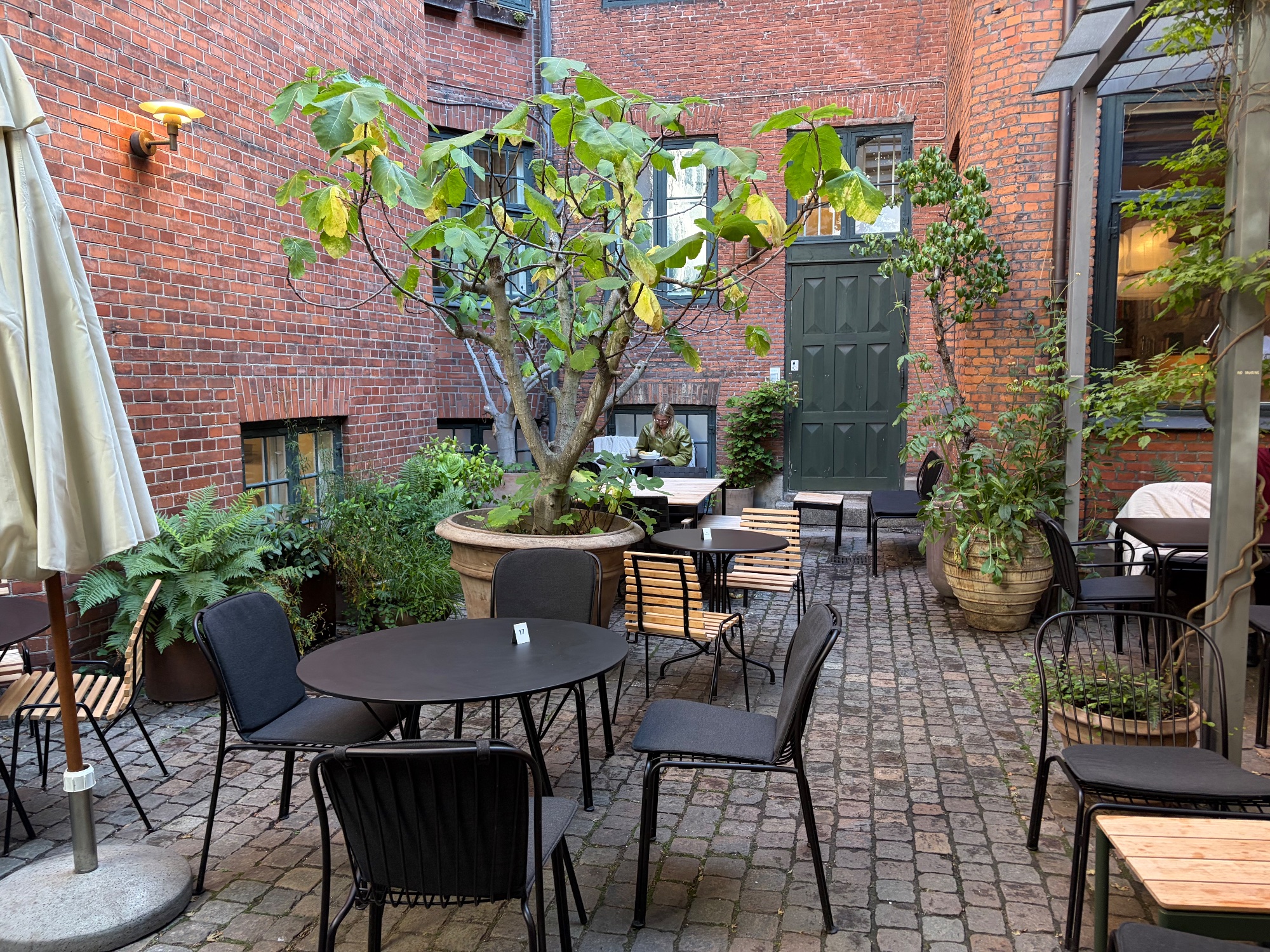
The café is tucked away in a cobblestone courtyard surrounded by several historic classical buildings, hidden from the bustle of the main streets. Wrapped in greenery and morning light, it radiates a deeply soothing Nordic courtyard atmosphere.
The seating, tables, and lighting both inside and outside — including Verner Panton's iconic Flowerpot lamps and the In Between wooden chair series — are all genuine &Tradition designs. While enjoying your coffee, you're actually experiencing the ergonomics and material quality of top-tier Nordic furniture firsthand.
I had Lille Petra's classic Good Morning Plate. Golden, crispy sourdough spread with fluffy whipped butter and savory cheese, paired with a silky soft-boiled egg and a rich latte with beautiful latte art — a minimalist, pure flavor combination that awakens the most healing version of Danish morning life.
Copenhagen, I'll be back!
告别哥本哈根前,我来到这里享用早餐。这是一个隐藏在一个庭院中的咖啡馆。在哥本哈根,很多好餐馆都在庭院中,你得找着找着才能发现。
Lille Petra Café 是哥本哈根将丹麦顶尖设计(Design)、舒适生活(Hygge)与新北欧饮食(New Nordic Food)融合得最完美的隐秘角落之一。
这家咖啡馆和普通街头餐饮店截然不同,而是丹麦国际顶尖家具与灯具设计品牌 &Tradition 旗下的旗舰展示空间与社交咖啡馆。
咖啡馆的名字 “Lille Petra”(小佩特拉),源自丹麦建筑师与设计师 Viggo Boesen 于 1938 年设计的一款传奇单人沙发椅——Little Petra Chair (VB1)。这款椅子以紧凑包裹的弧形线条和柔软羊毛面料闻名,代表着丹麦现代主义早期温润、包容的设计语言。
咖啡馆深藏于几座历史悠久的古典建筑所环绕的鹅卵石庭院内,避开了主干道的喧嚣。四周被绿植与晨光环绕,呈现出极具治愈感的北欧庭院氛围。
店内外摆放的座椅、餐桌与照明灯具(如 Verner Panton 设计的经典 Flowerpot 花盆灯、In Between 系列木椅等),全部为 &Tradition 的设计真迹。顾客在享用咖啡的同时,实际上也在亲身体验北欧顶级家具的人体工学与材质质感。
我享用了Lille Petra 的经典 Good Morning Plate(早安拼盘)。金黄酥脆的酸面包抹上绵密打发黄油与咸香芝士,佐以柔滑溏心蛋 与香醇拉花拿铁,用极简纯粹的风味拼盘唤醒丹麦最治愈的晨间生活美学。
哥本哈根,我会再来!
Tivoli Gardens is one of the oldest amusement parks in the world still in operation, first opened in 1843. It's not only a landmark of Copenhagen but also an inspiration for Disneyland, and Hans Christian Andersen was once a regular visitor here.
Of course, I'm a bit too old for the kids' rides, but at Tivoli I got to enjoy three programs full of cultural depth.
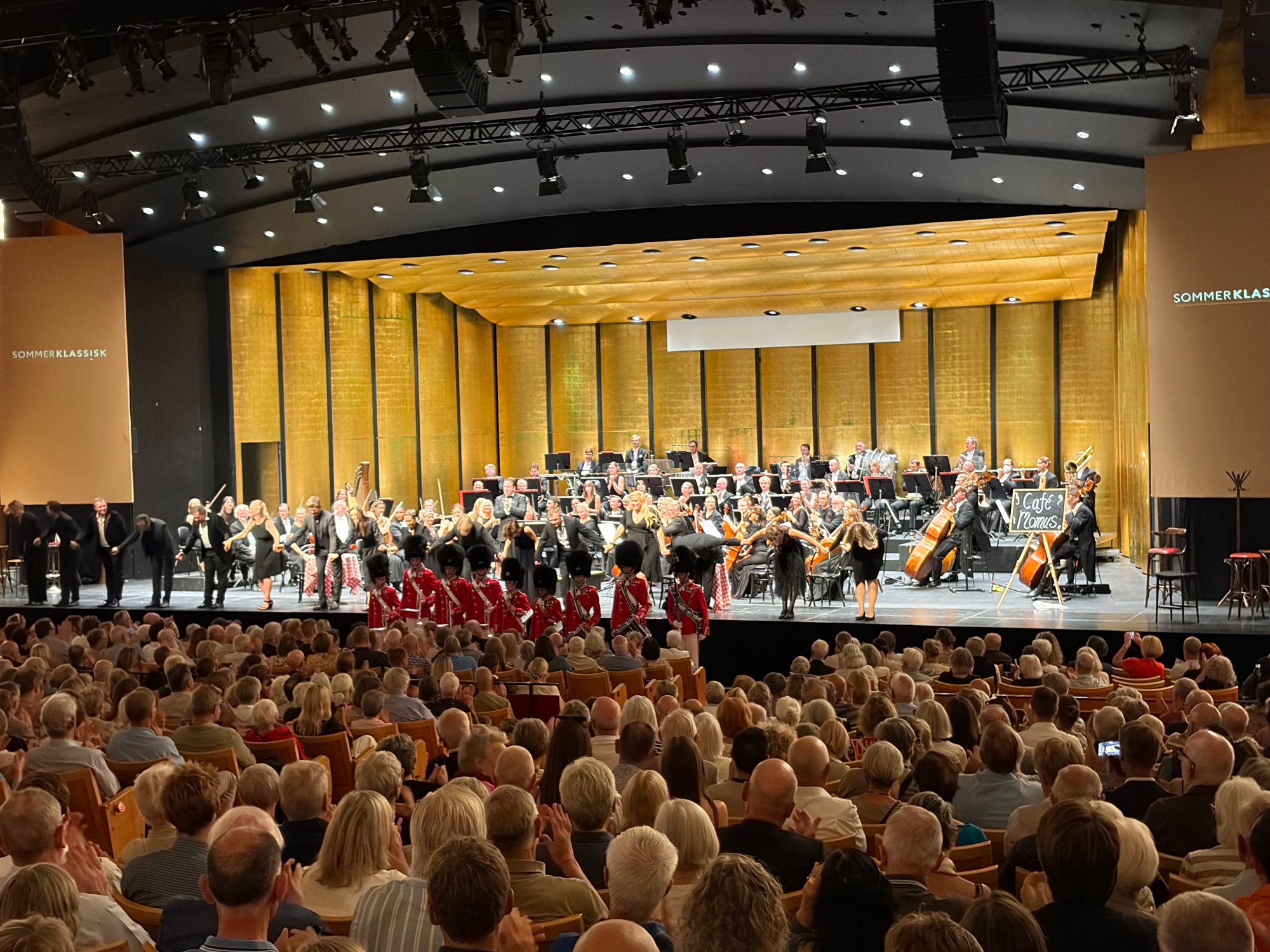
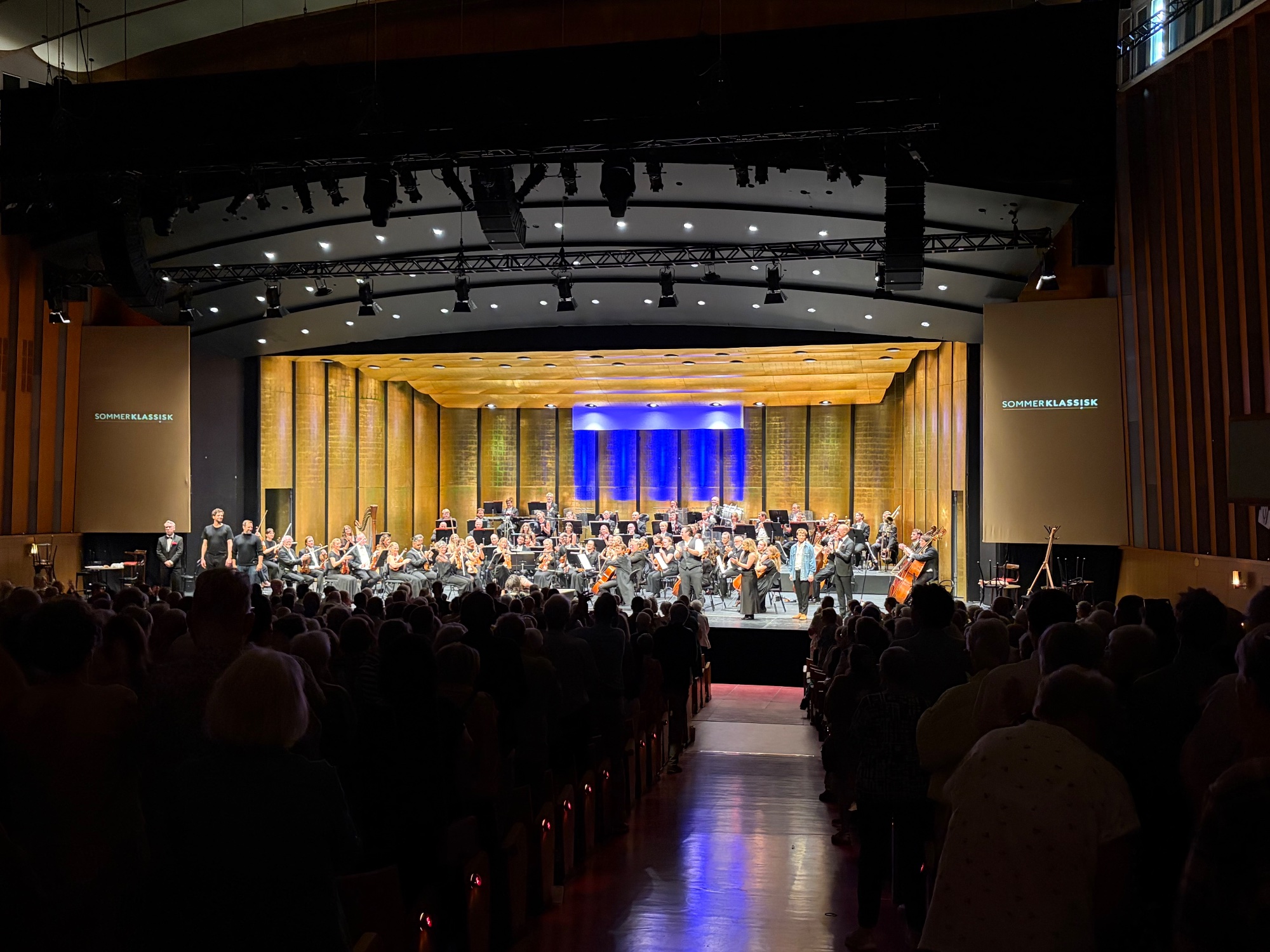
At the Tivoli Concert Hall, I watched a concert performance of the opera "La Bohème," featuring a lineup of top European bel canto singers — absolutely dazzling. When it ended, the Copenhagen audience rose to their feet in applause, and I was right there clapping along with everyone else.
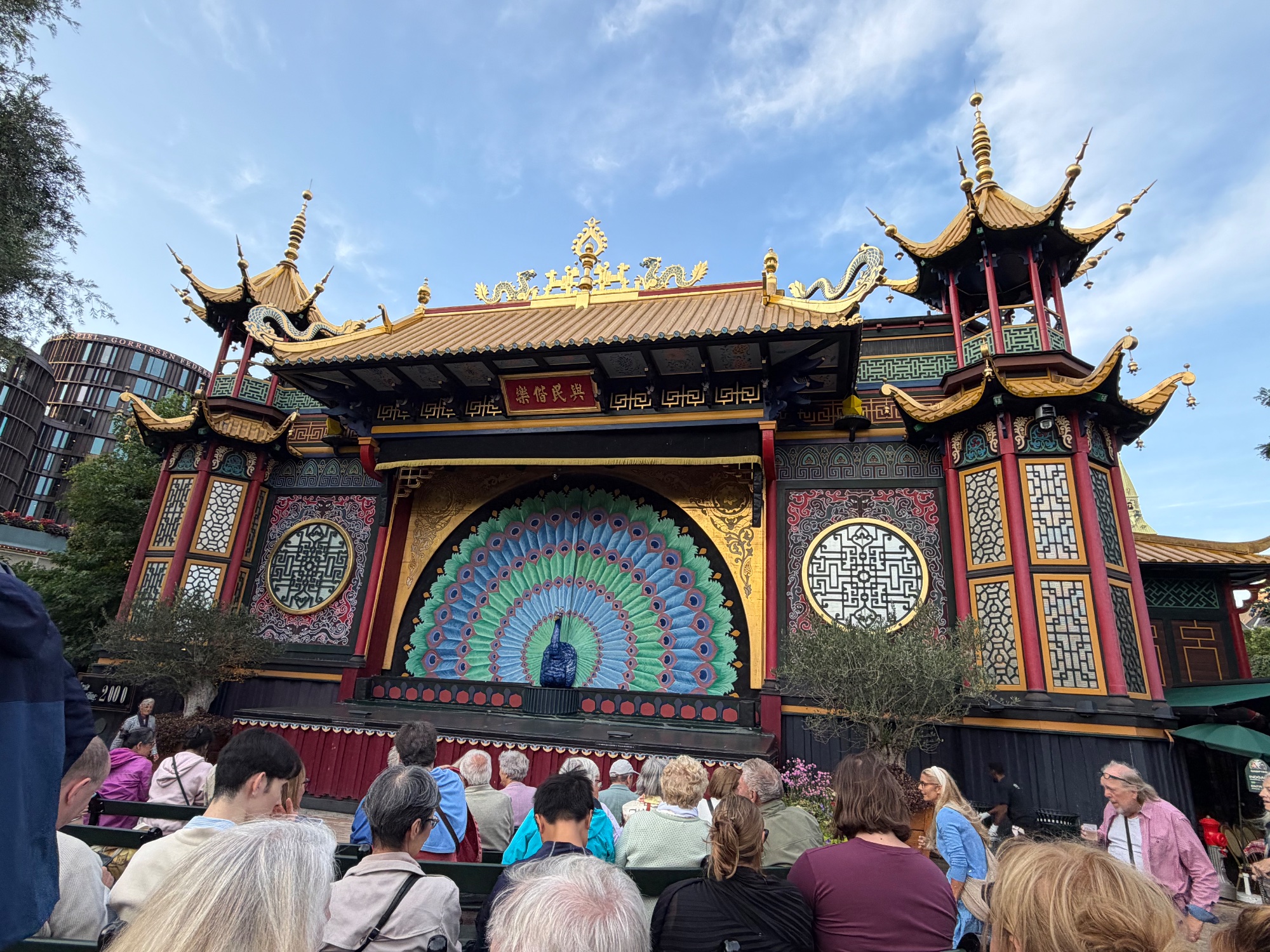
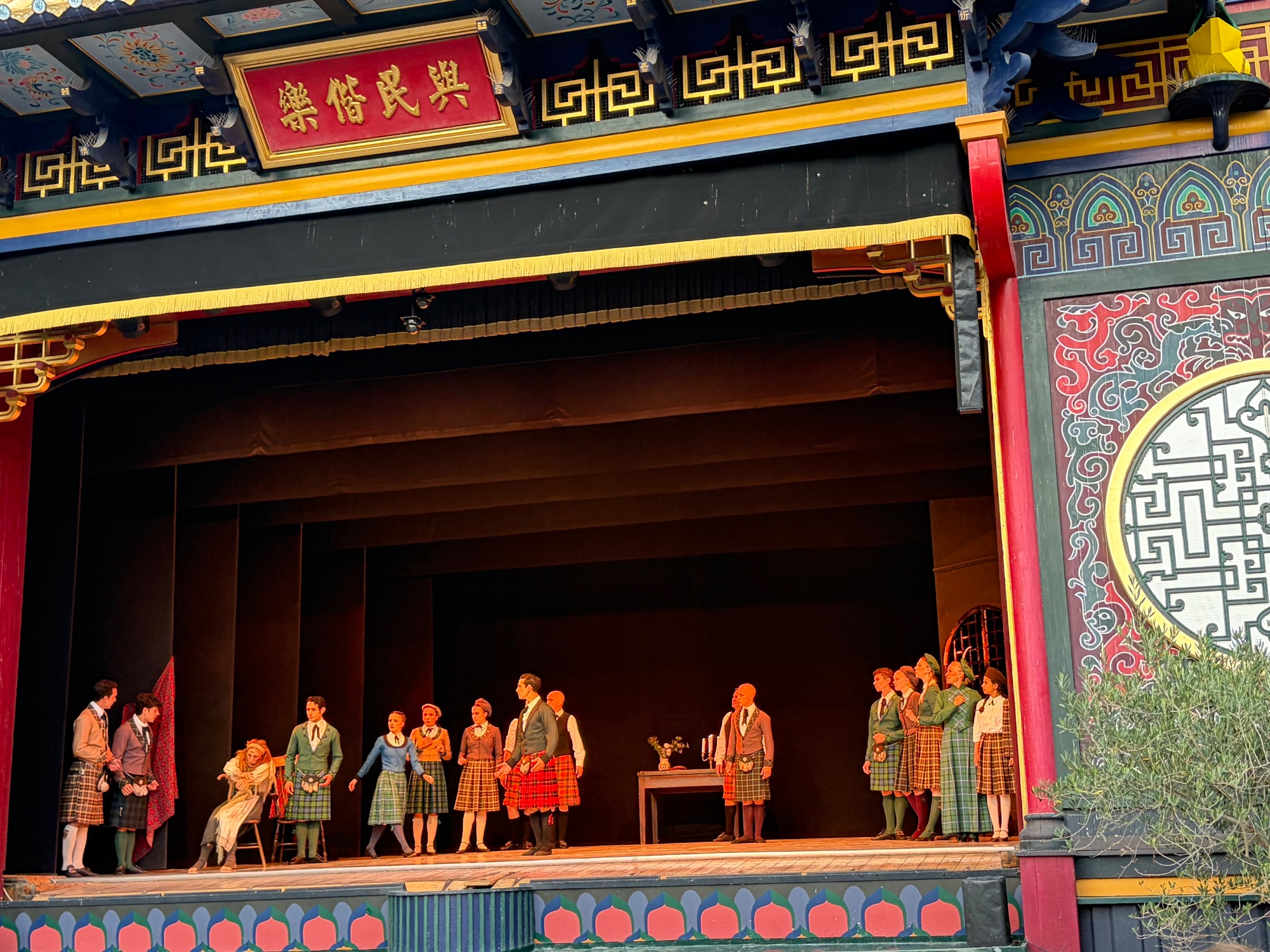
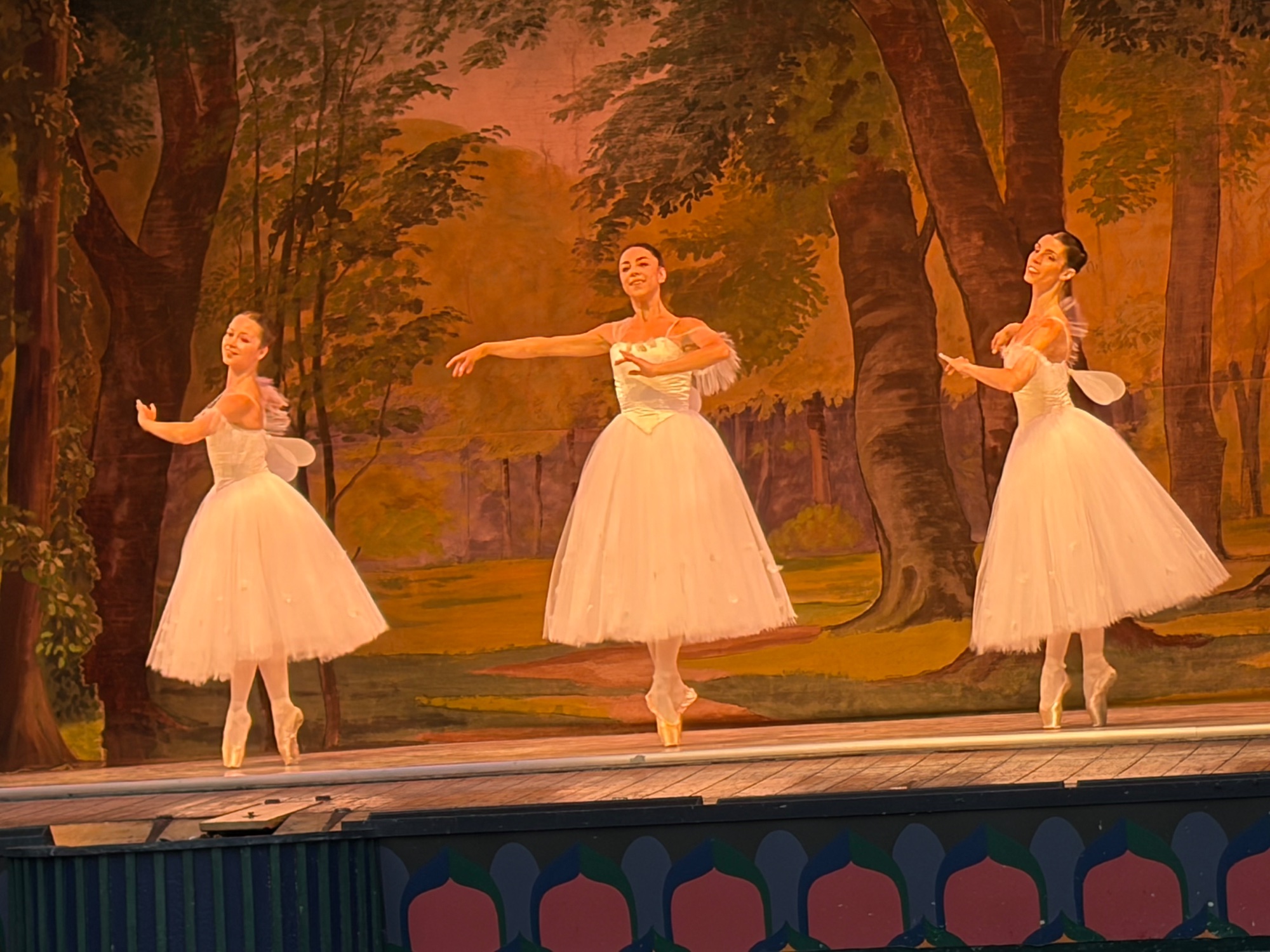
The concert wrapped up around 5pm, and right after, I headed to the open-air Pantomime Theatre inside the park. The building itself has an air of mysterious ancient Chinese style, and there I watched the ballet "La Sylphide."
Built in 1874, the theater embodies the 19th-century European fascination with "Chinoiserie" — that romantic, mysterious vision of China. Its architecture greatly inspired Andersen, who went on to write the fairy tale "The Nightingale" because of it.
The ballet was a condensed 45-minute version, and the music was so beautiful — it turns out a Danish composer rewrote the score because the rights to the original Paris version were too expensive. Who knew Danish ballet music could sound this good!
The dancers were stunning too — the sylph's ethereal, floating quality really came through in the dancers' suspended leaps.
Apparently, Tivoli's "La Sylphide" has become a cultural symbol of Copenhagen.
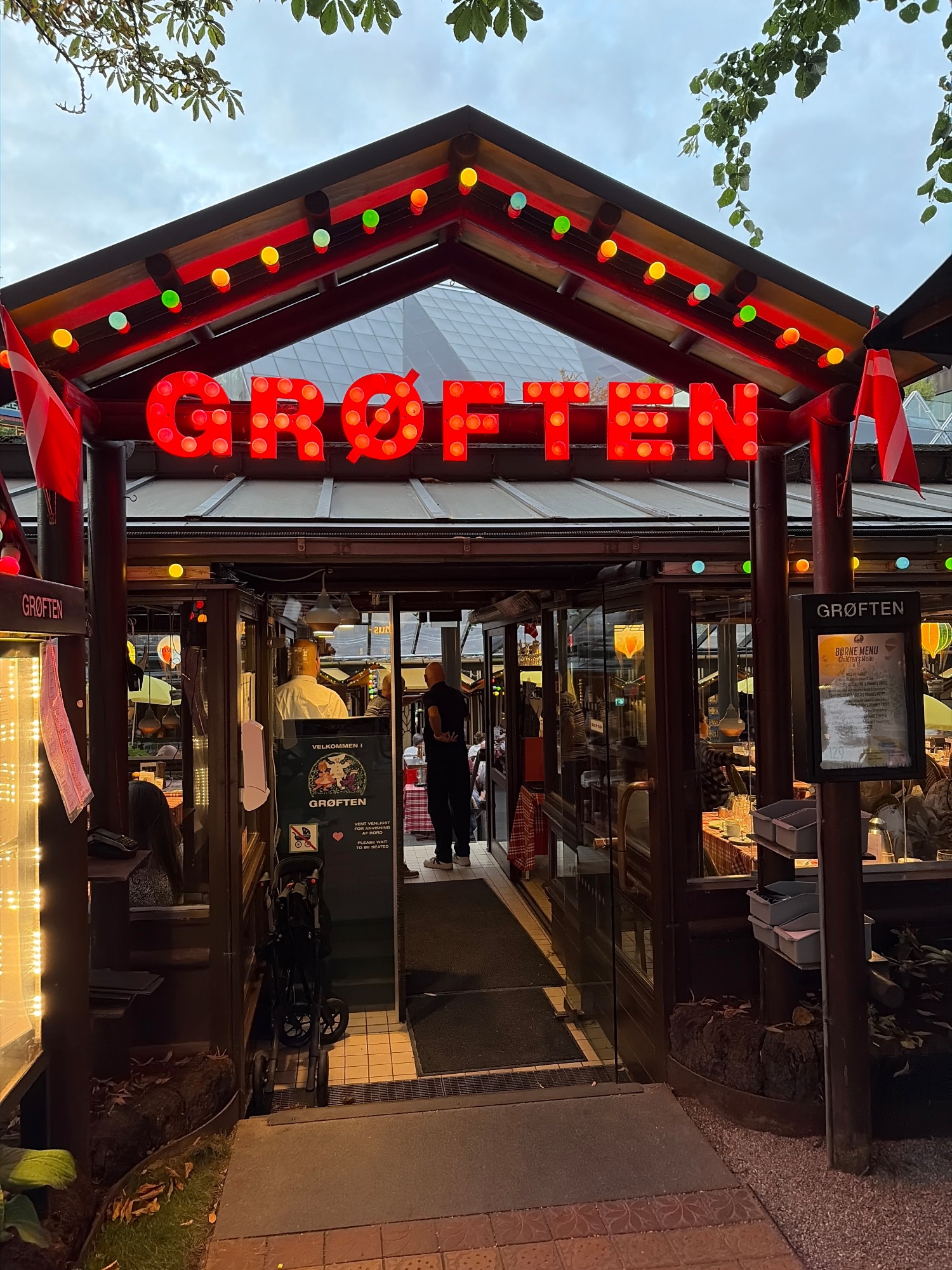
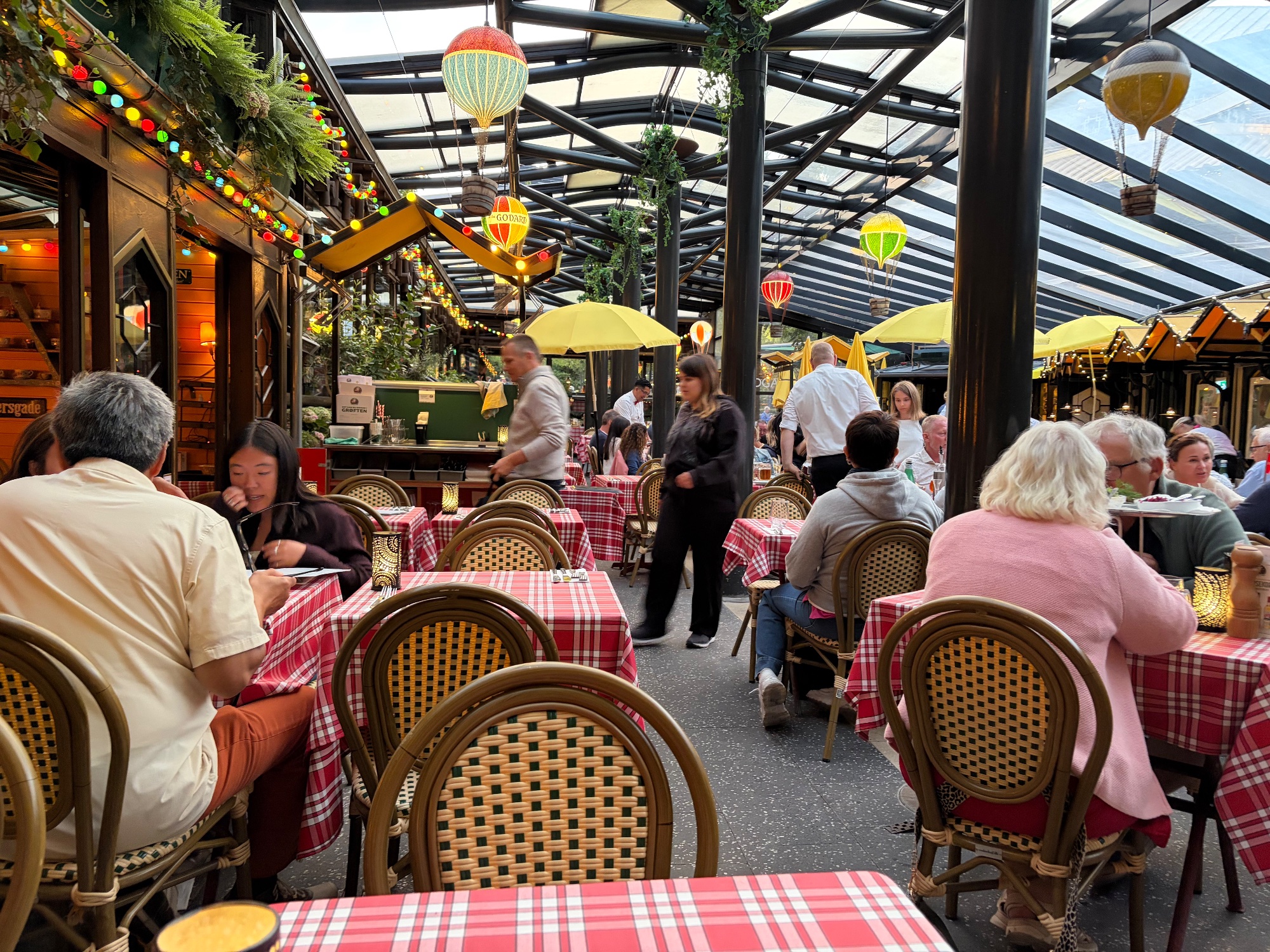
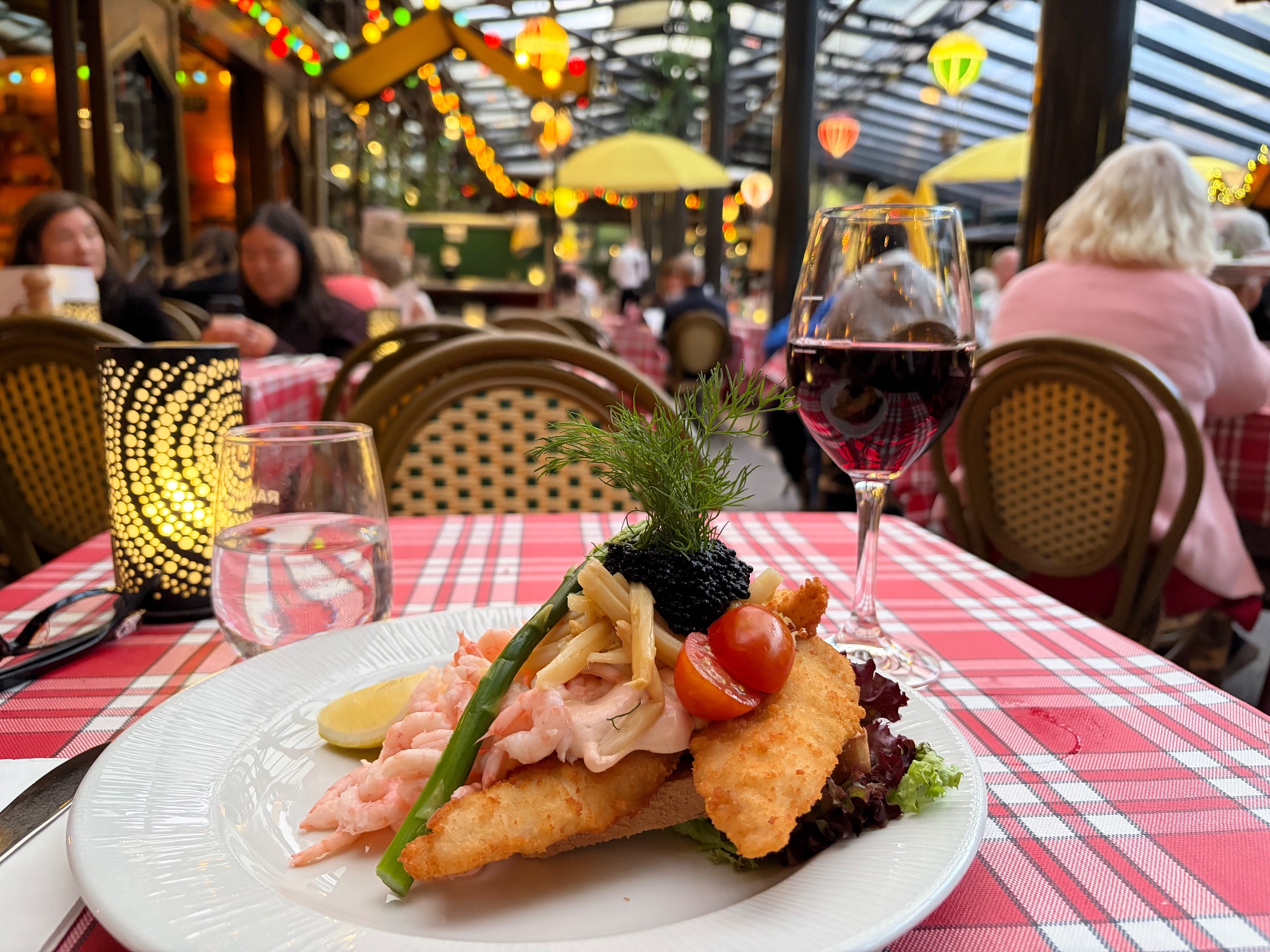
After the ballet, I went to a restaurant right next to the theater — Grøften, with 152 years of history. I ordered the Grøftens Stjerneskud, the legendary "shooting star" seafood platter. It's built on a base of golden, crispy fried plaice fillet, piled high with hand-peeled Arctic shrimp, asparagus, and Danish caviar. It's Denmark's most classic all-seafood dish — fresh, delicious, and generously portioned. Paired with a beer, it was pure bliss.
The restaurant's décor is said to have stayed exactly the same for 152 years, making me feel like I'd stepped through time.
This Tivoli trip didn't include any of the rides kids love, but it gave me a wonderful time steeped in history, culture, and art.
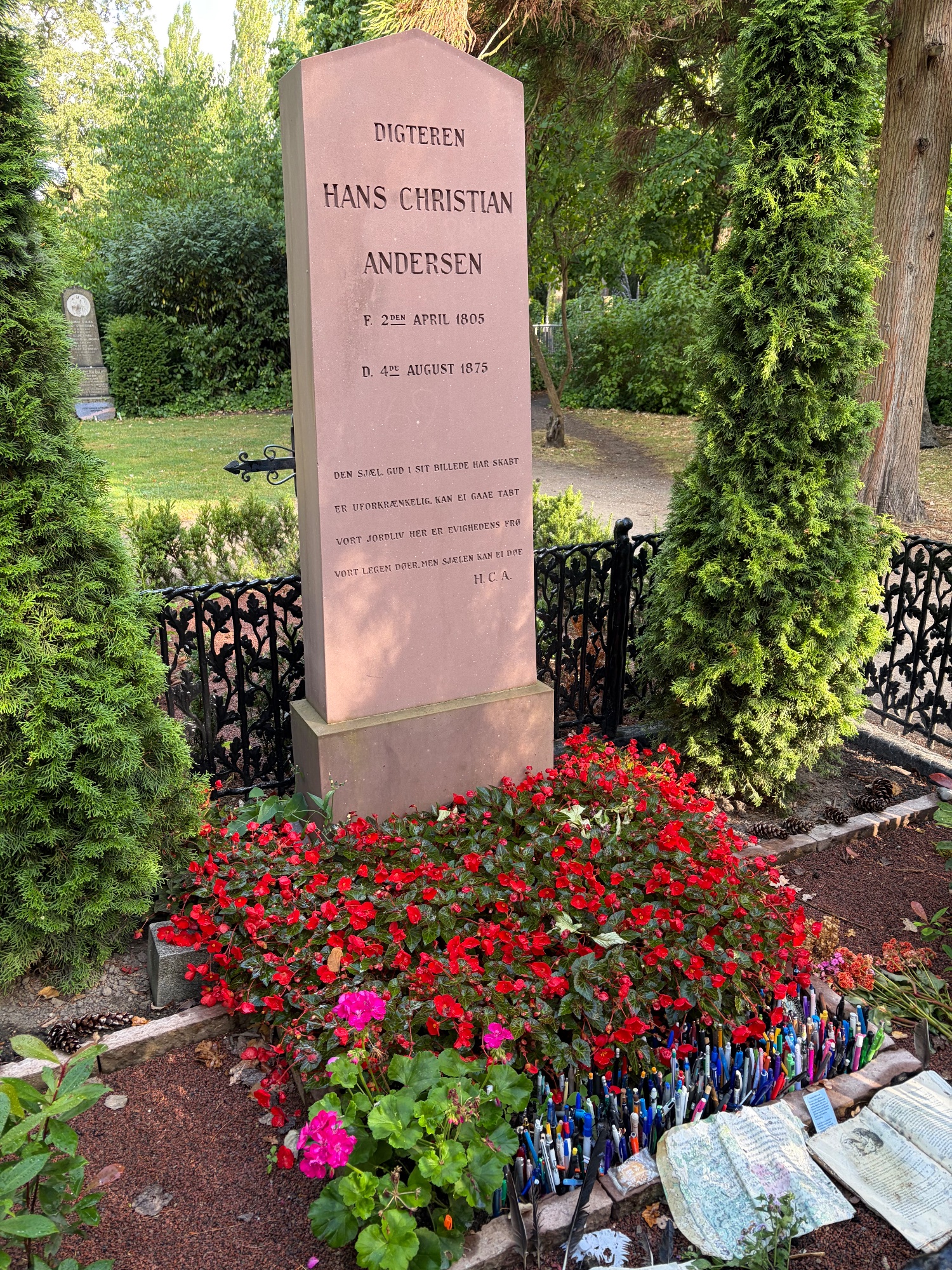
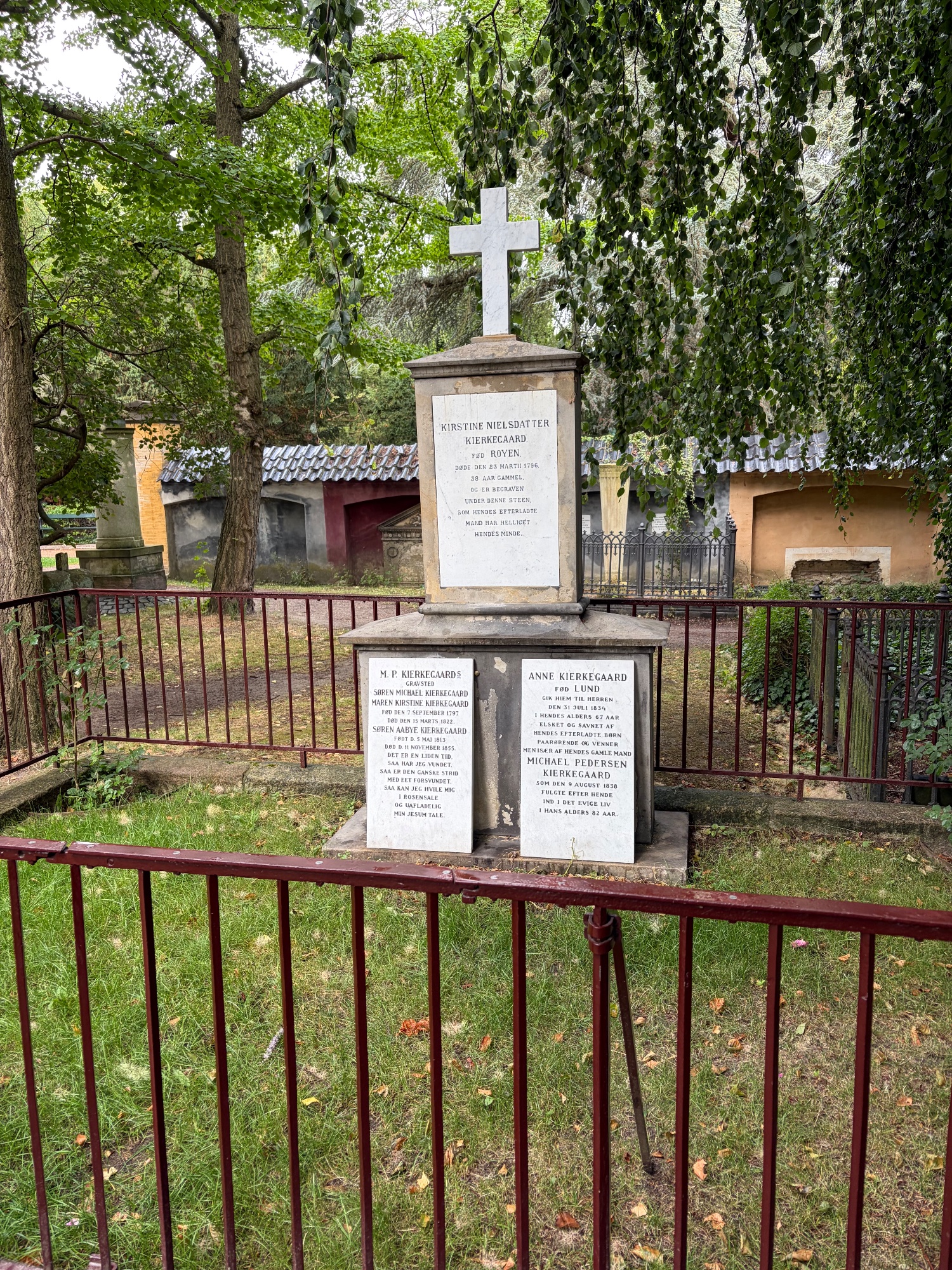
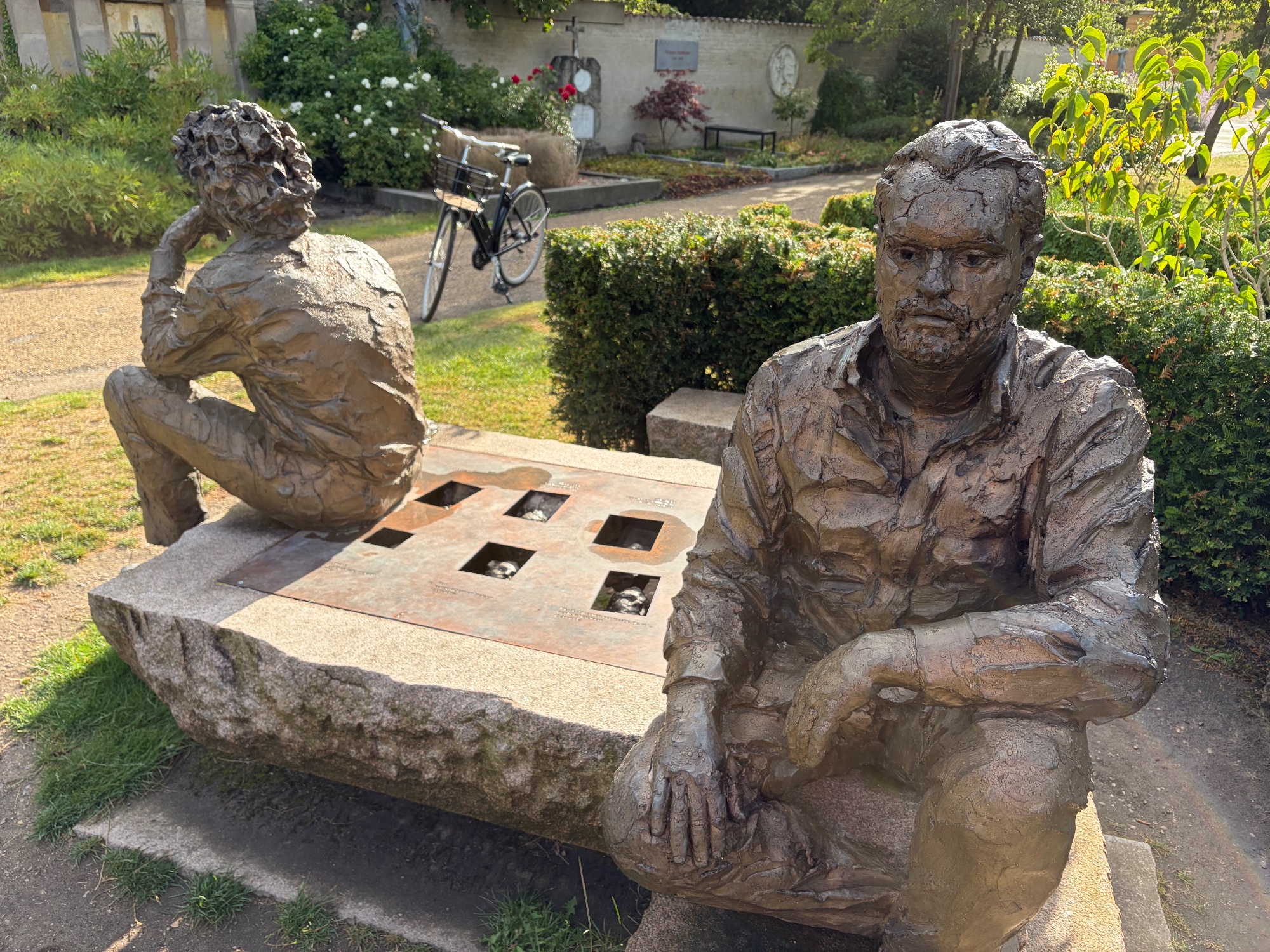
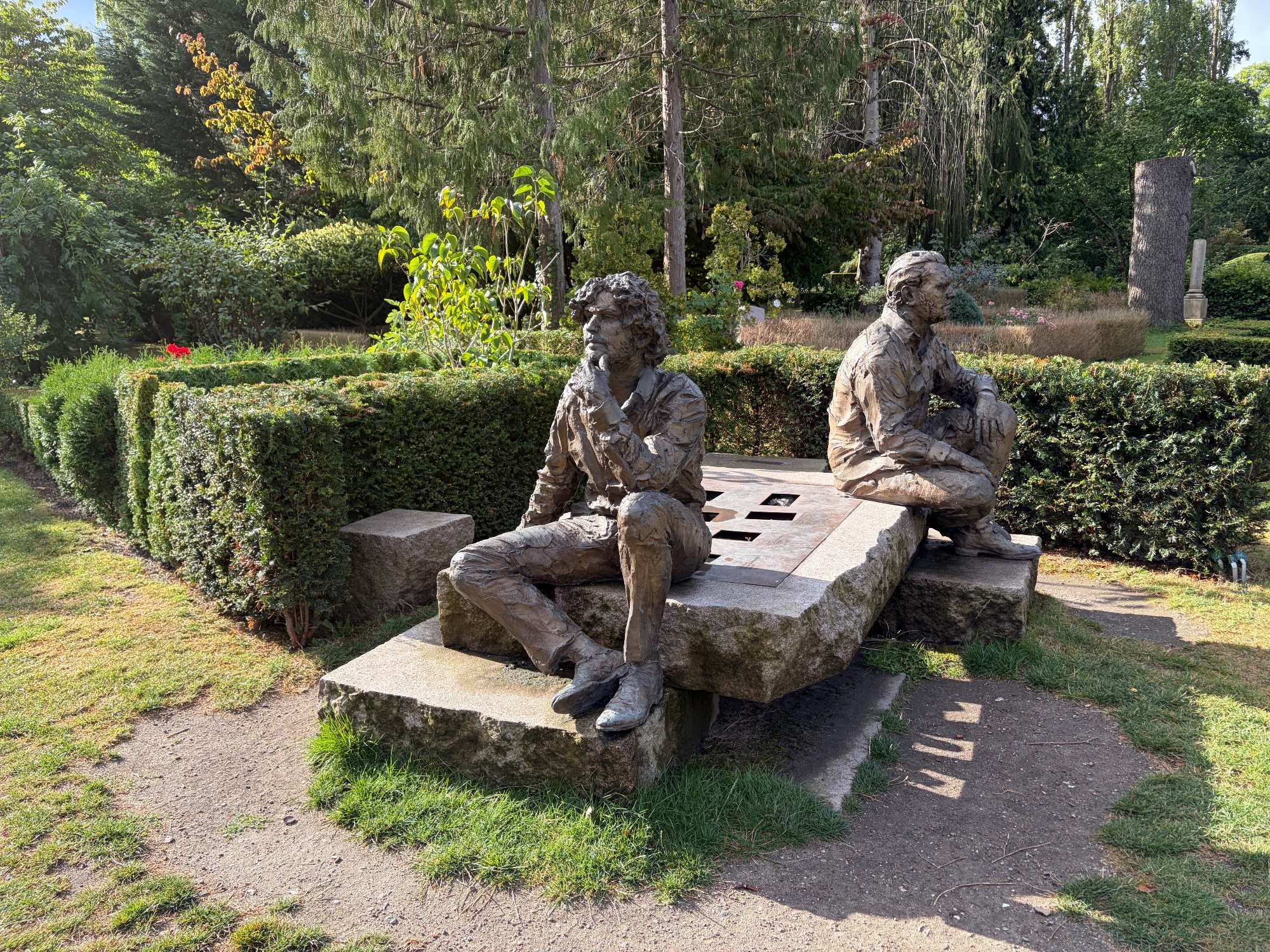
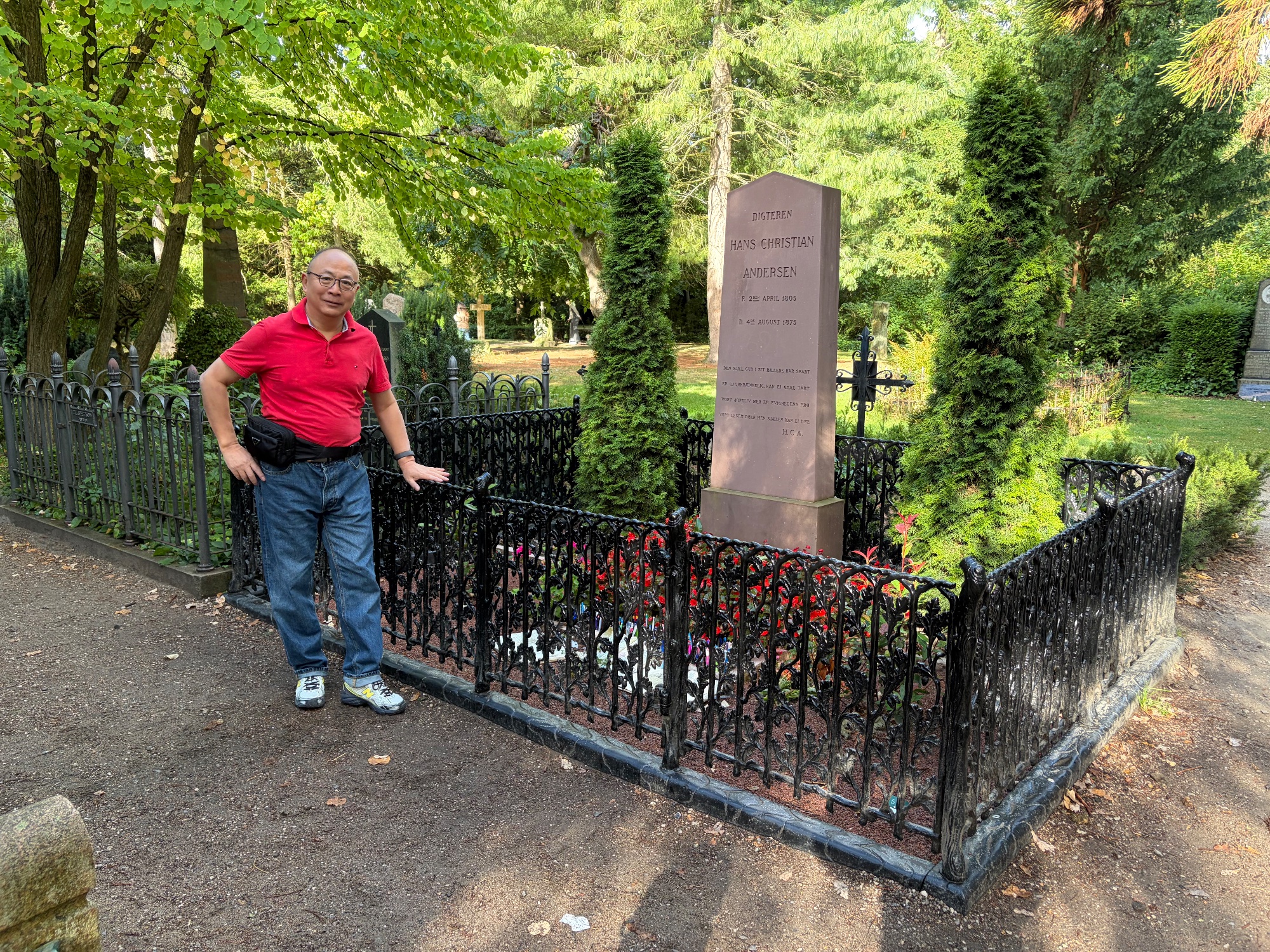
Assistens Cemetery was the most solemn stop on this Copenhagen trip. It's the resting place of two of Denmark's greatest cultural giants — the writer Hans Christian Andersen and the existentialist philosopher Søren Kierkegaard.
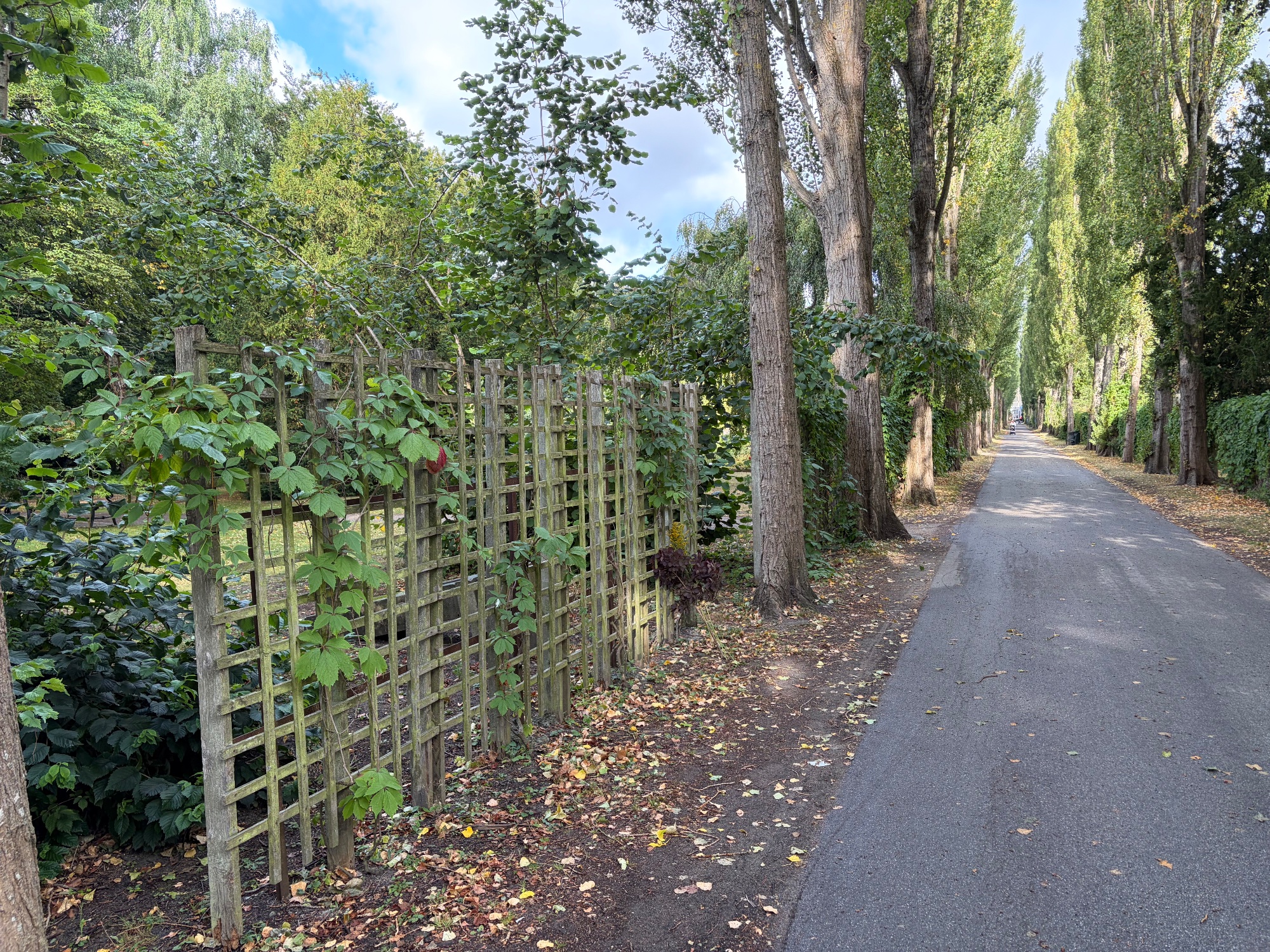
The cemetery carries a deep 19th-century literary and philosophical weight that makes you feel a quiet reverence.
But it's not a gloomy place at all — rather, it's a beloved spot for locals to stroll, blooming with flowers and feeling more like a forest park.
When I arrived early in the morning, two young people were already laying flowers at Andersen's grave. At Kierkegaard's grave, two elderly visitors who had traveled a long way stood quietly paying their respects.
The air in the cemetery was so fresh and pleasant that I found myself wanting to linger and walk a little longer.
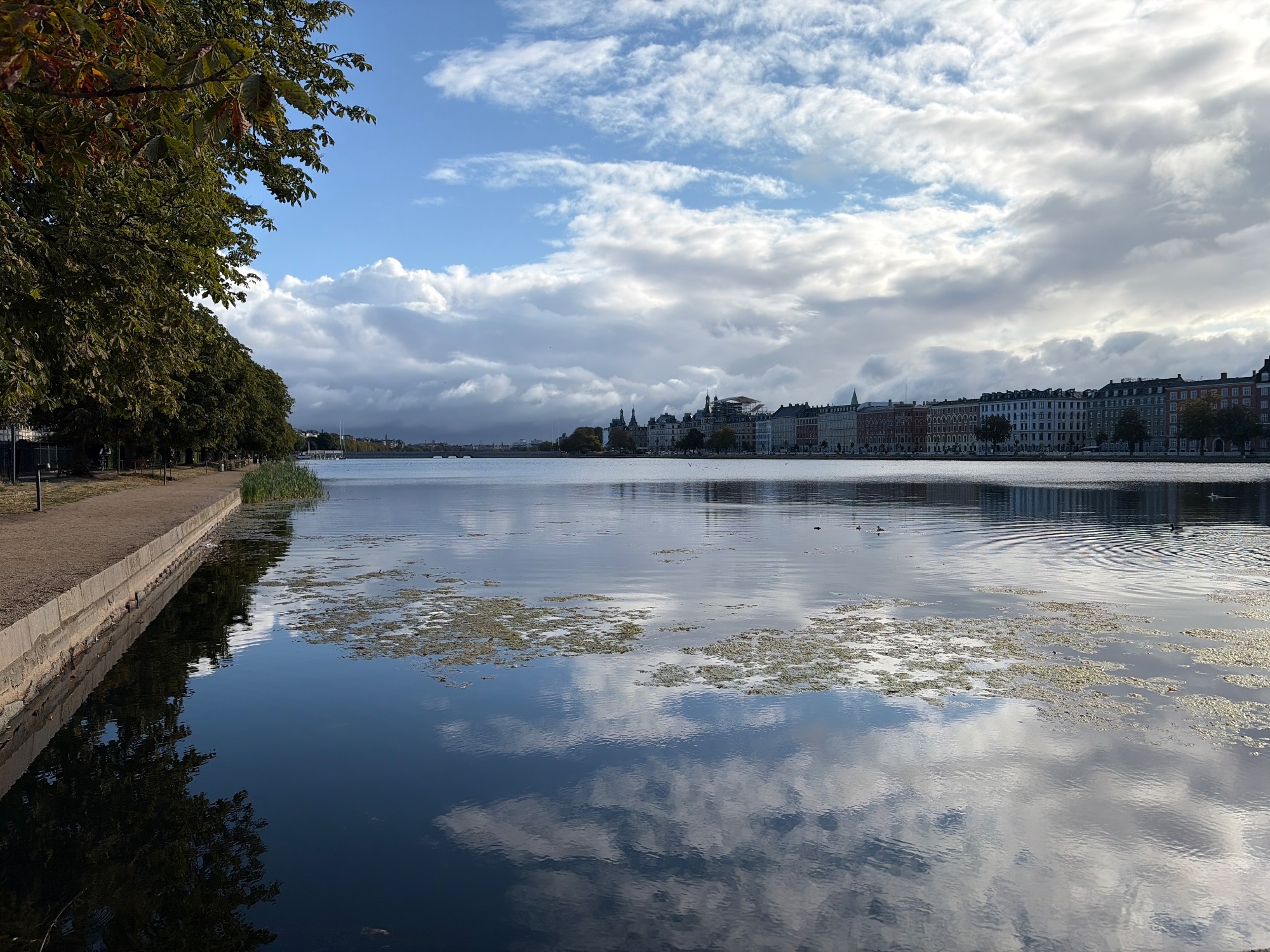
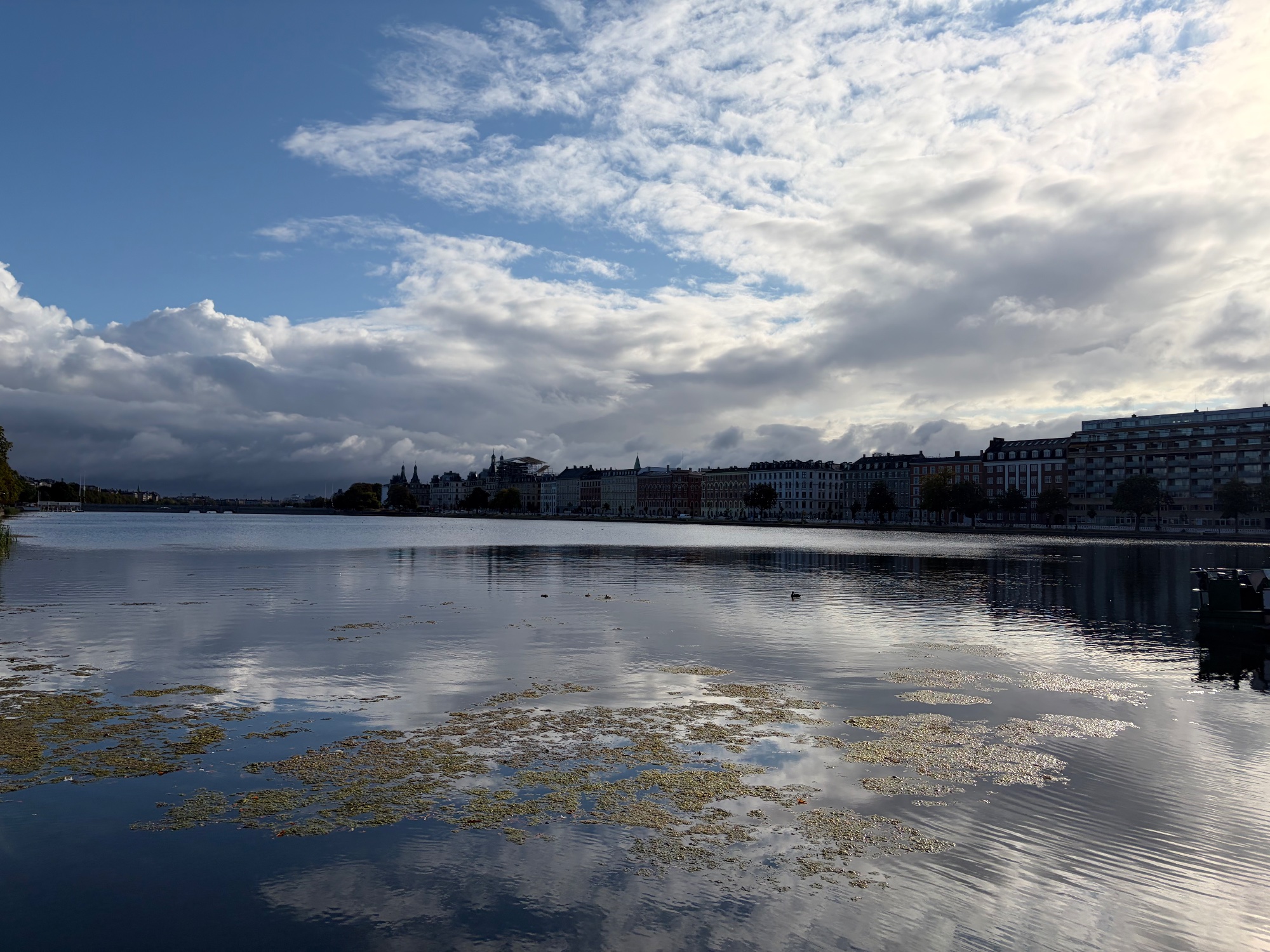
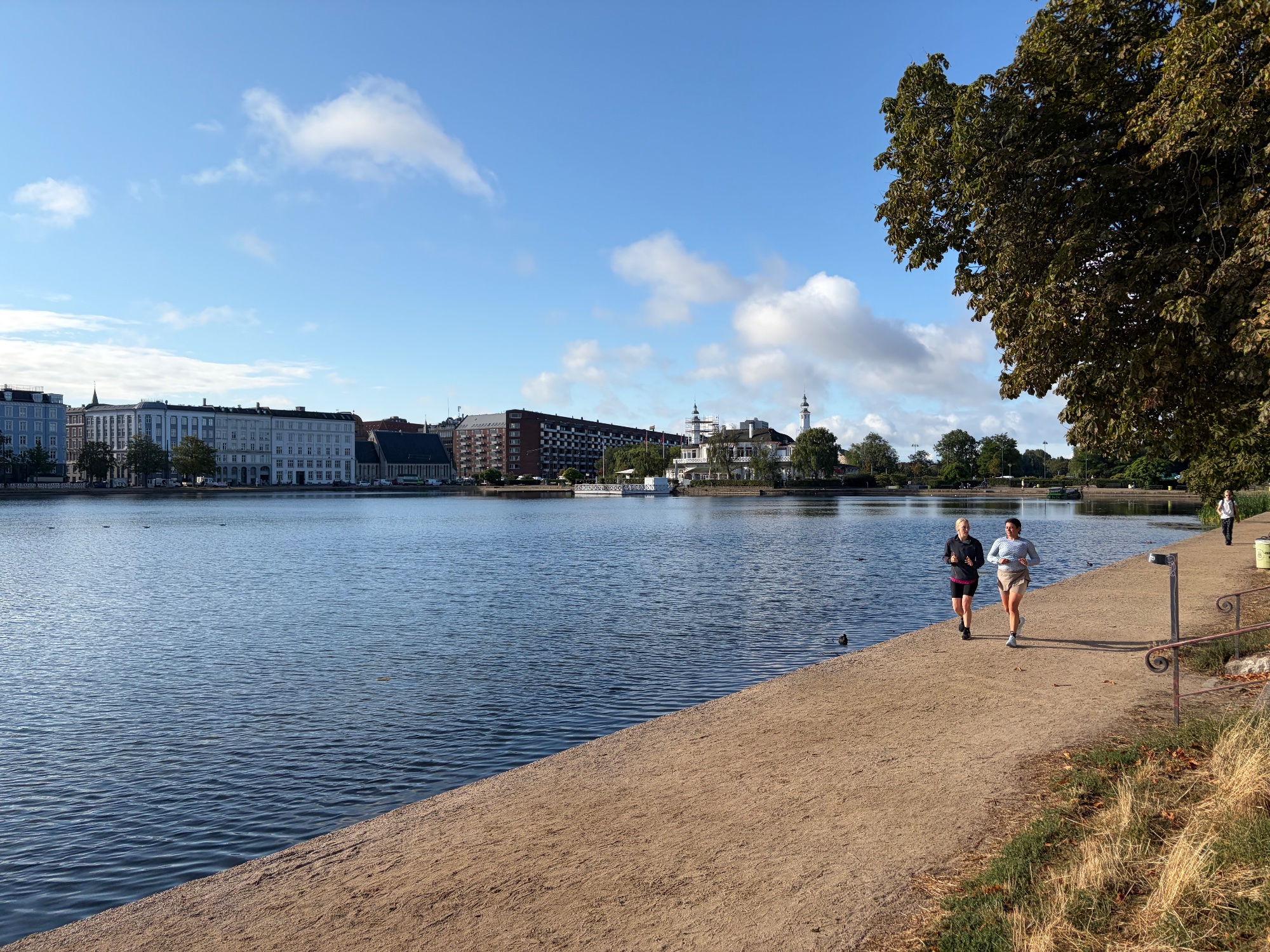
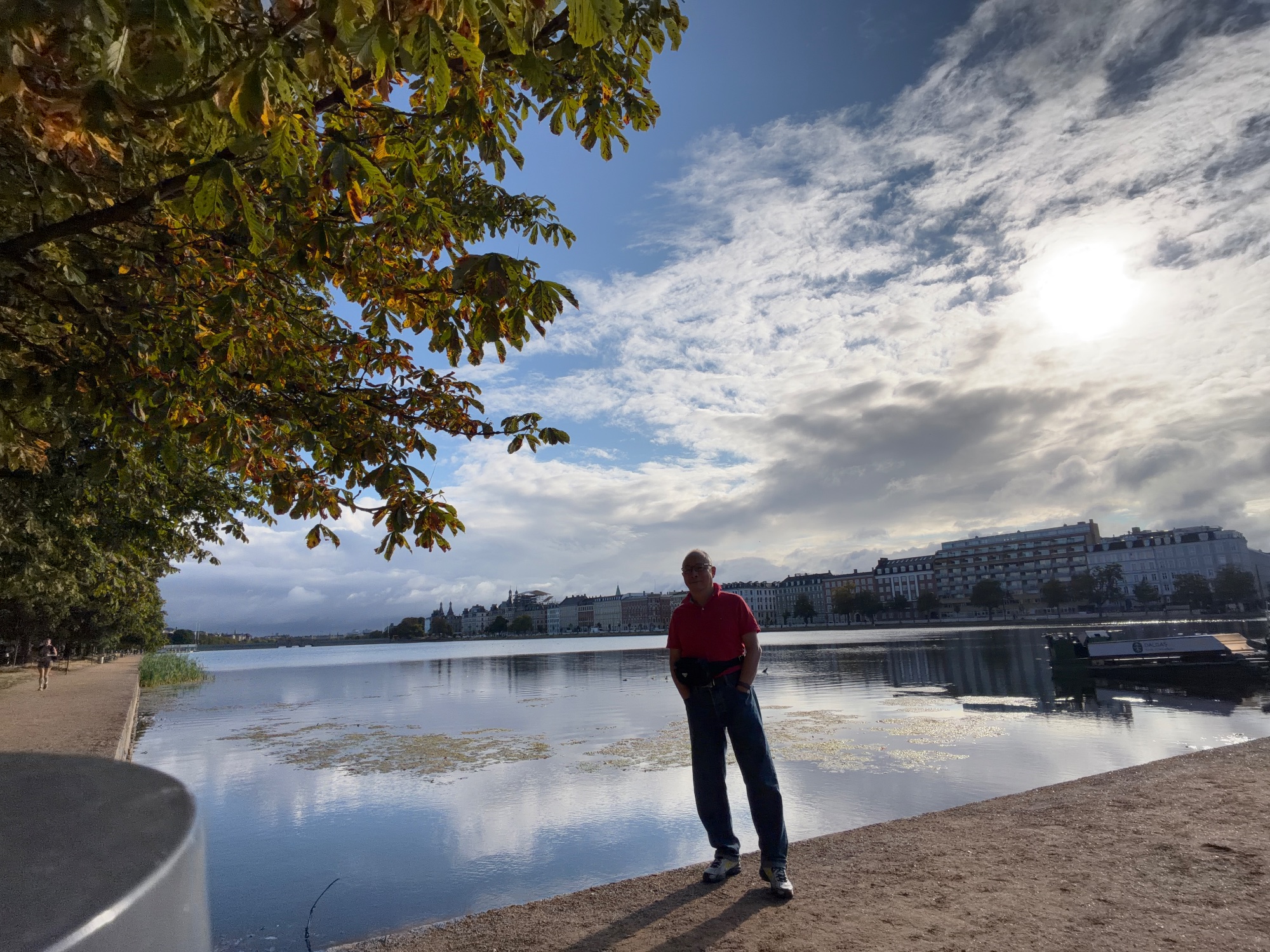
Early in the morning, I rode my bike to Copenhagen's Three Lakes. After weaving through streams of cyclists, I finally arrived at the lake district, and instantly felt refreshed and carefree.
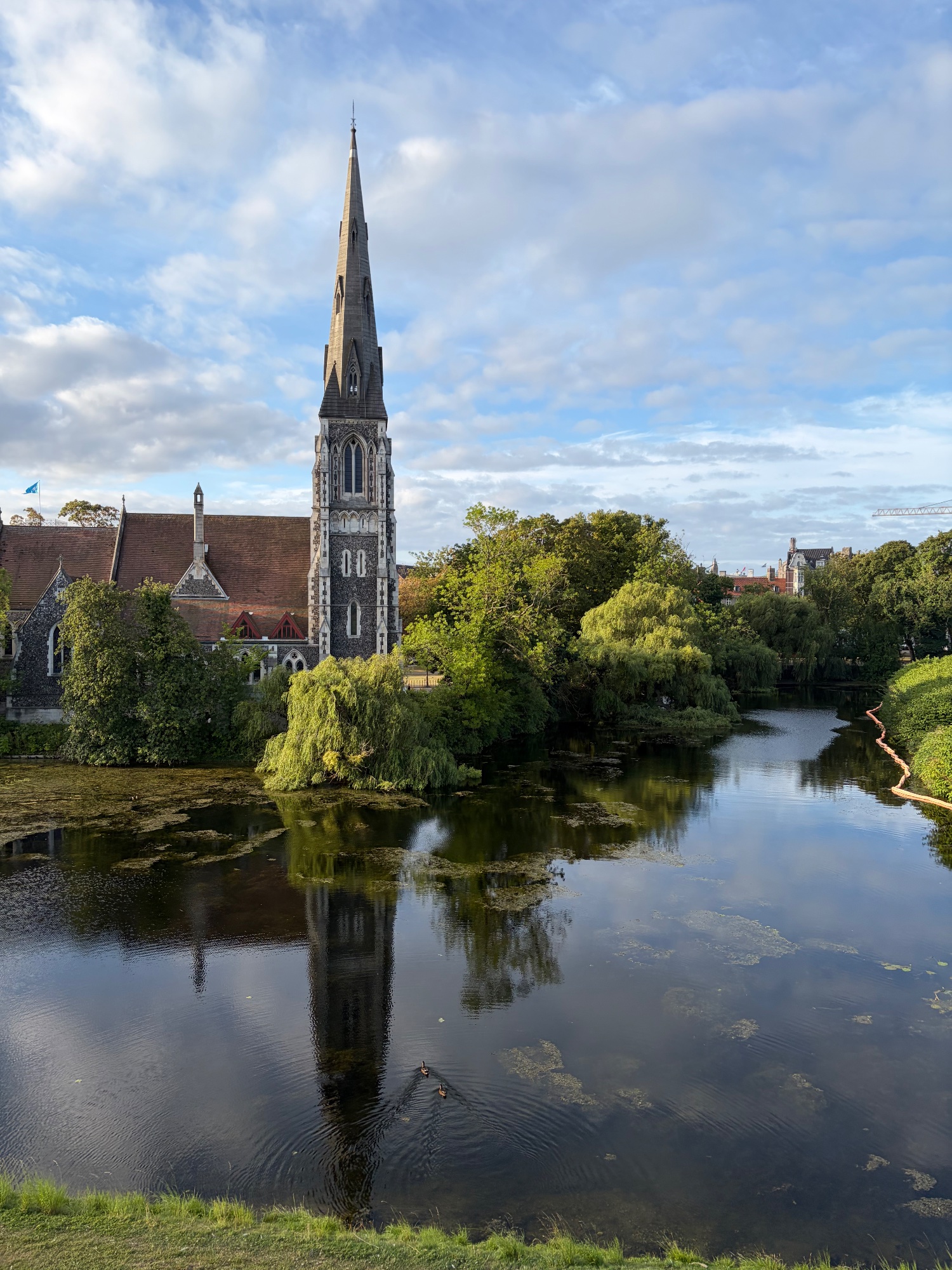
The Three Lakes (Danish: Søerne) are a chain of man-made lakes curving in a bow shape along the western side of the city center, stretching about 6.4 kilometers in total. They're one of Copenhagen's most iconic urban landscapes and a beloved space for locals to relax.
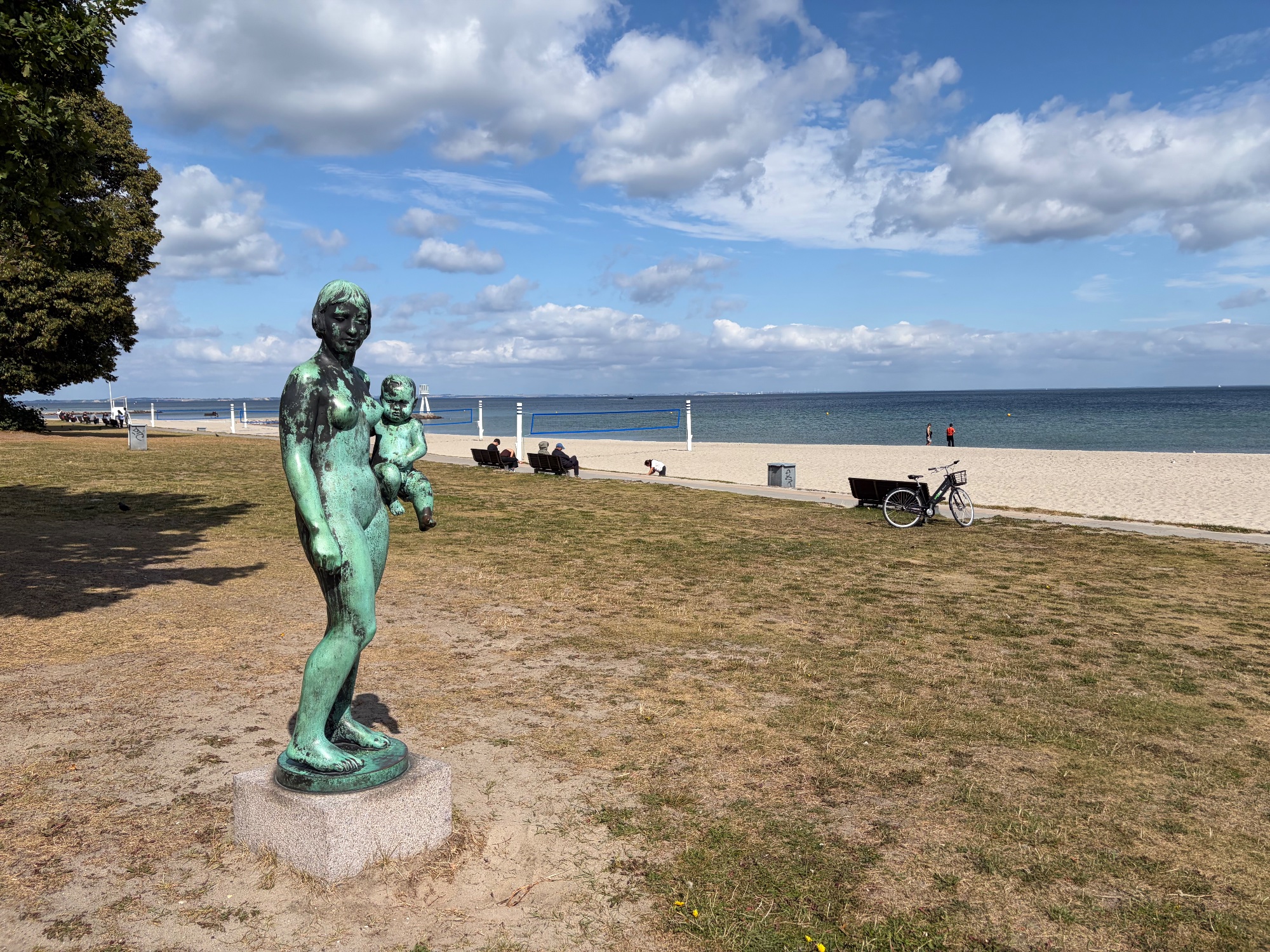
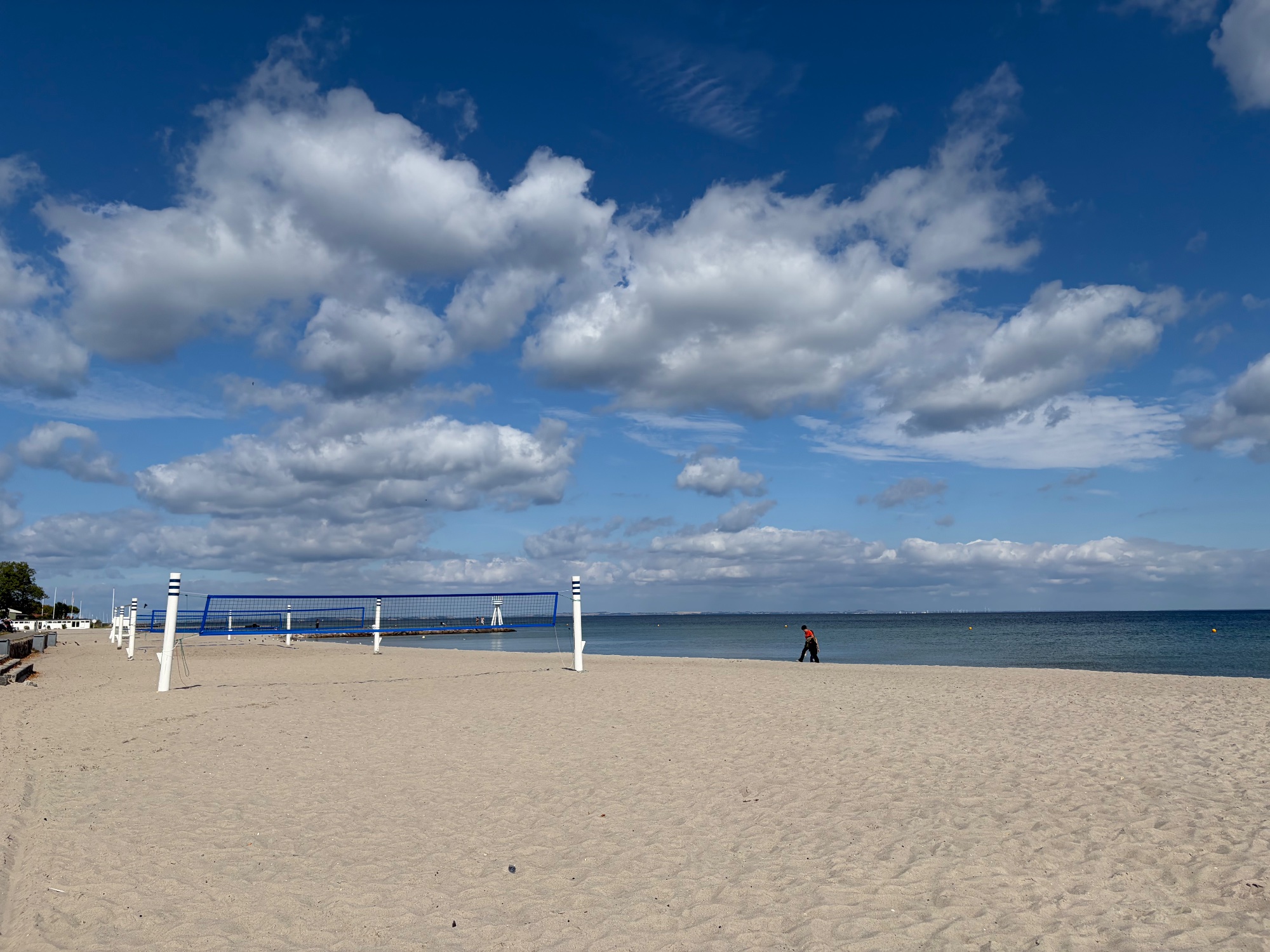
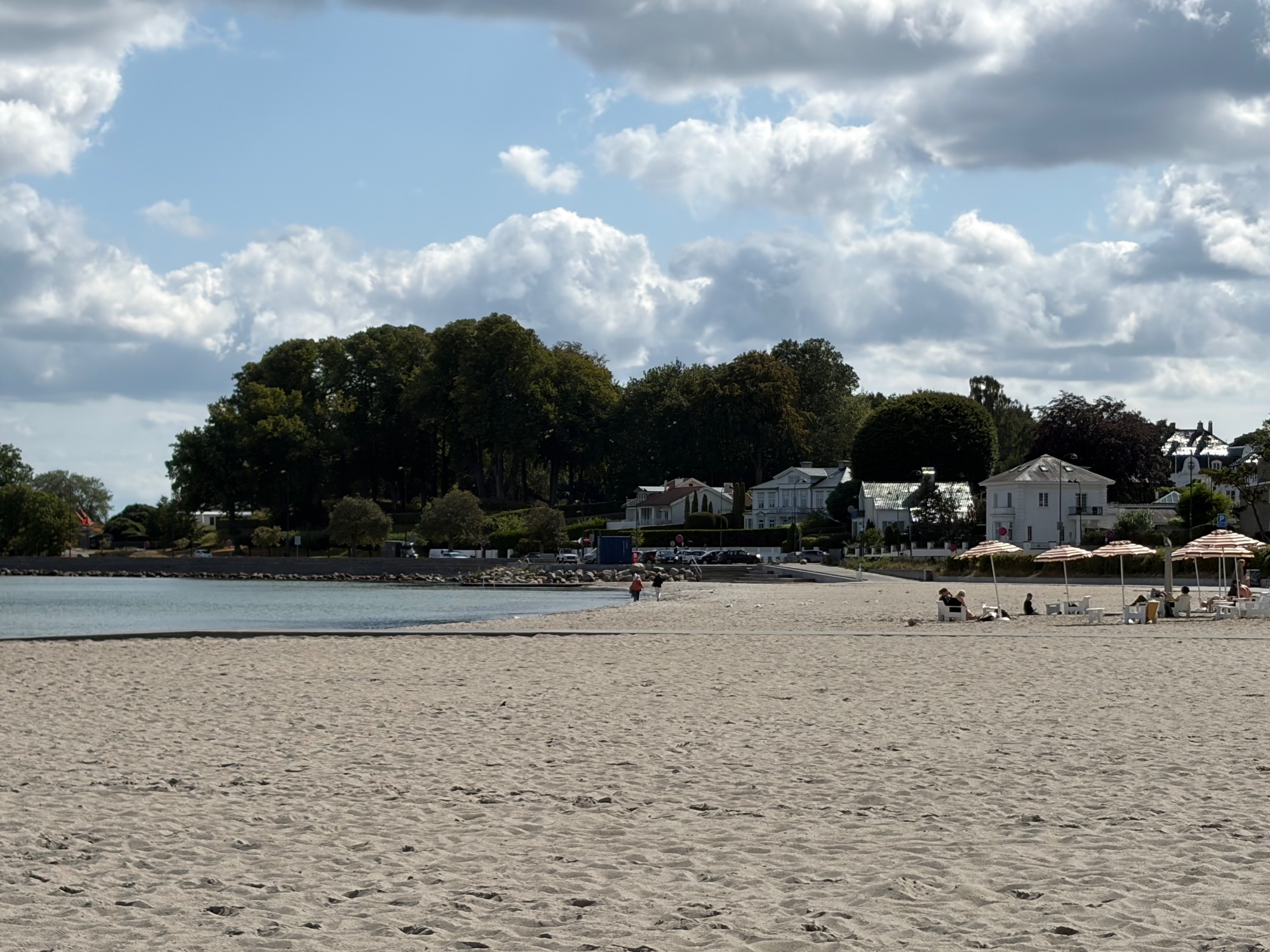
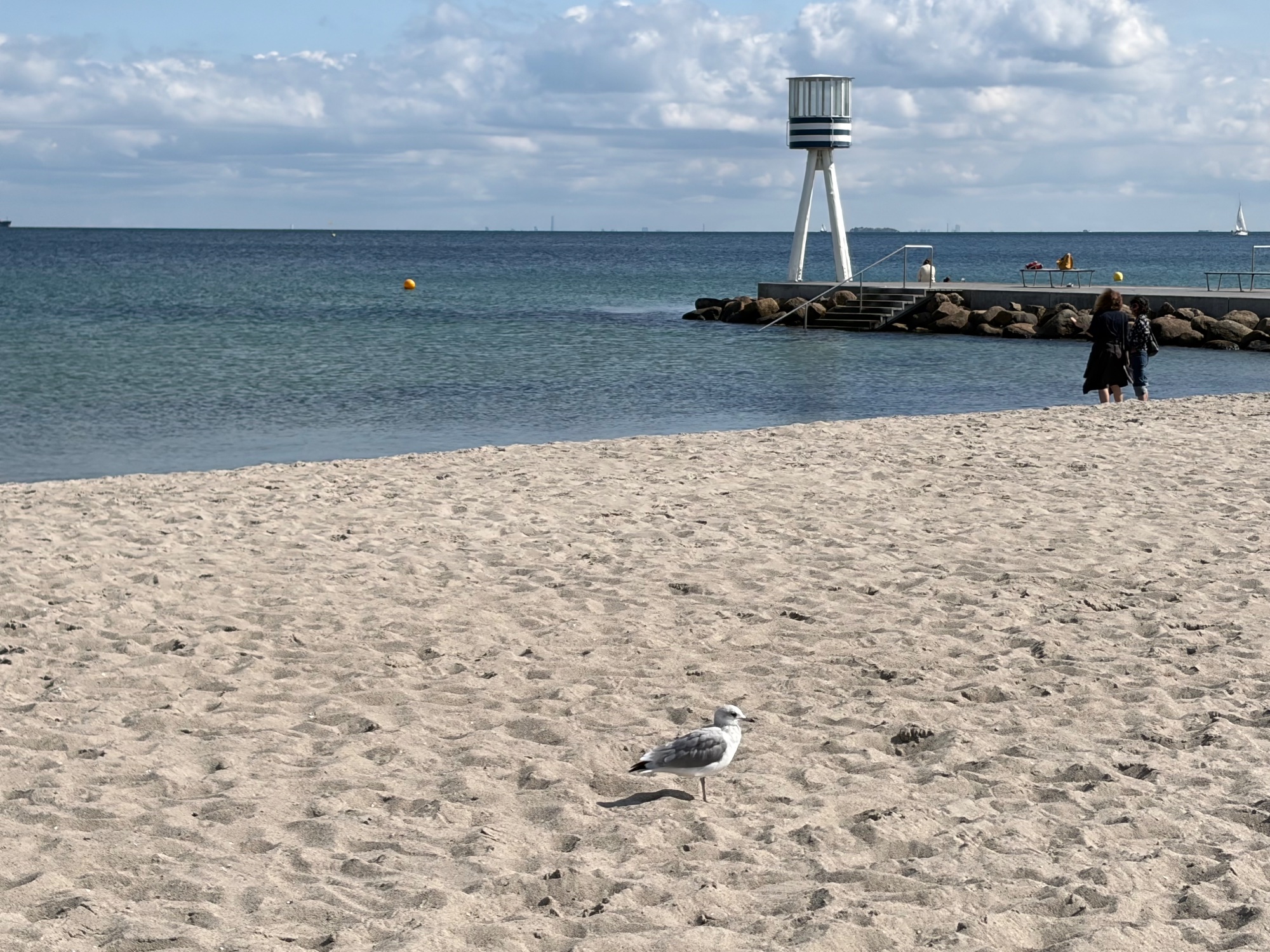
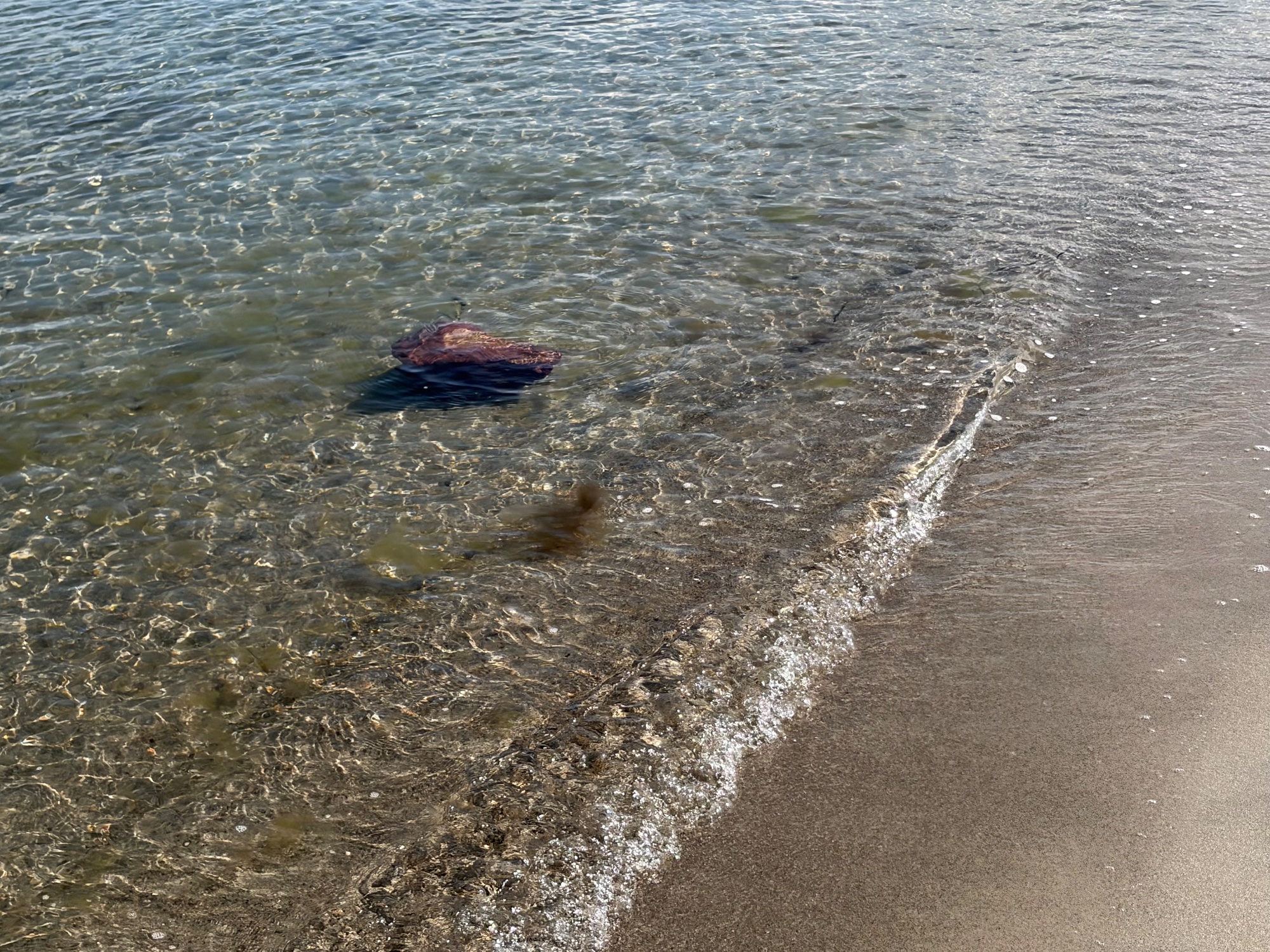
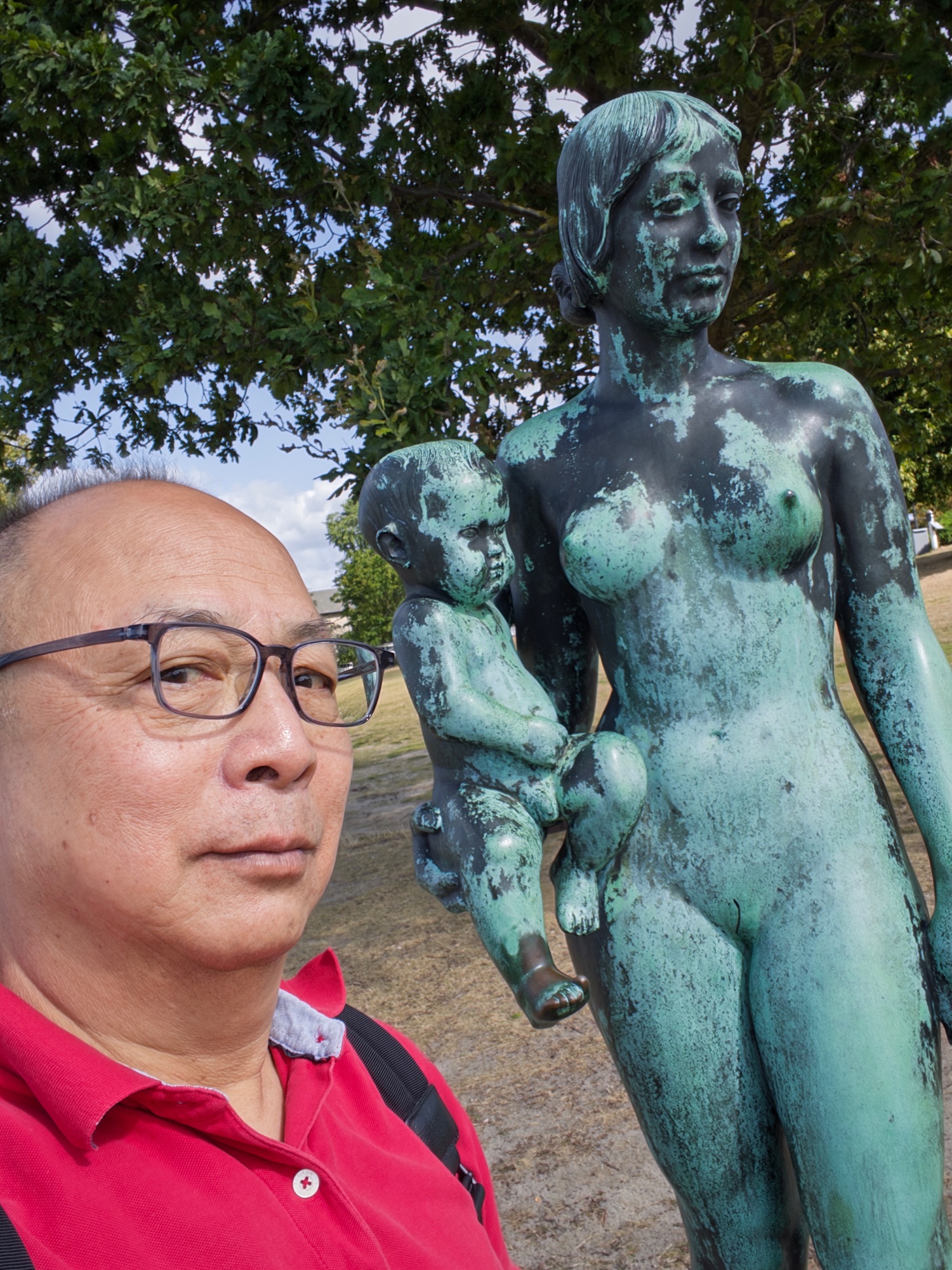
Just a 20-minute train ride north from Copenhagen, you arrive at Klampenborg, where the picture-perfect white sands of Bellevue Strand come into view. On the lawn stands a bronze sculpture called 'Mor med barn' (Mother and Child), giving this beach its own quiet soul.
I went in the afternoon, and the beach was so peaceful — everything bathed in white, wrapping you in a real sense of art.
As it turns out, this stunning beach is basically a work of art in itself. The entire landscape and infrastructure were designed in 1932 by Arne Jacobsen, Denmark's legendary architect and designer. The blue volleyball net poles poking up in the photos, the blue-and-white striped lifeguard tower stretching out over the water, and even the changing rooms — all of these are iconic examples of Jacobsen's Functionalist design. Right across from the beach, you can still find the white Bella Vista housing complex and the Bellevue Theatre, both designed by Jacobsen around the same era.
It's hard to imagine now, but before the redevelopment, the natural beach here was actually quite narrow, with waves crashing almost right up against the shore, separated from land by nothing more than a low embankment. During the 1932 project, the entire beach was artificially expanded to its current size — about 700 meters long and 20 to 40 meters wide — to accommodate the growing crowds of visitors.
The sculpture 'Mother and Child' was created in 1943 by the celebrated Danish sculptor Helen Schou (1905–2006), and officially installed on the lawn beside Bellevue Beach in 1946.
Cast in bronze, it captures a mother holding her young child against her hip, standing naturally and warmly as she faces the sea.
Back in the 1930s and 40s, Denmark was swept up in a wave of 'Kropskultur' — a body culture movement that championed returning to nature, soaking up the sun, and embracing outdoor activity. Bellevue Beach was built precisely to meet people's desire to connect with nature and build healthy, strong bodies. This nude mother, standing tall and unselfconscious against the sea breeze, perfectly embodies that era's celebration of nature, health, and modern living. Alongside the surrounding modernist architecture — like the blue-and-white lifeguard tower, stripped of unnecessary ornament and focused purely on function — she tells the story of a Nordic philosophy of life: healthy, open, and full of sunshine.
If you ever visit Copenhagen, you really shouldn't miss Klampenborg Beach.
Used to drinking tap water in Singapore, I kept the habit in Copenhagen — just turned on the tap and drank straight from it. Turns out Copenhagen's tap water is unexpectedly sweet. No wonder hotels here don't hand you two bottles of mineral water like hotels elsewhere do.
After checking in, drinking tap water actually felt like a treat. The water was sweet, clean, crisp, almost no chemical taste at all.
Curious, I looked into it and found that how a country treats its water really says a lot about how serious it is.
About 99% of Denmark's drinking water comes from groundwater. After rain falls, it slowly seeps through clay, sand, and limestone layers, usually taking 30 to 50 years to reach the extraction layer. Along the way it's naturally filtered by the earth itself, so the source water starts out clean — unlike many cities that pump water from rivers or reservoirs and then put it through a whole complicated treatment process.
At the treatment plant, the process is also minimal: first aeration to release gases like methane and hydrogen sulfide while oxidizing and precipitating iron and manganese; then sand filtration to remove those particles. Since 2009, Copenhagen has stopped adding chlorine to its tap water. No bleachy smell — that's the key reason many people find it especially tasty.
The 'sweetness' isn't from added sugar, but from a combination of minerals and contrast. The Zealand area sits on limestone-rich geology, so the water carries calcium and magnesium, giving it decent hardness — round and full on the tongue, not empty like purified water. The salt content is low too, so it's never salty or noticeably bitter. People often describe it as fresh, clean, with a slight sweet aftertaste.
Apparently, if you're used to tap water with residual chlorine and a sharper taste, the contrast is especially stark, and your brain easily registers this water as sweet.
Reportedly, Danish water utilities are now gradually softening the water to reduce limescale, but the overall philosophy hasn't changed: protect the groundwater, minimize chemical additives, and preserve the water's natural taste as much as possible. Locals are confident about it — public water fountains are everywhere, ordering tap water at restaurants is completely normal, and even the ice cubes are safe to drink.
So that sweetness isn't an illusion — it's the result of geology, time, and minimal intervention all coming together.
So when you clear customs at the airport, go ahead and gulp it down — real mineral water, straight from the tap.
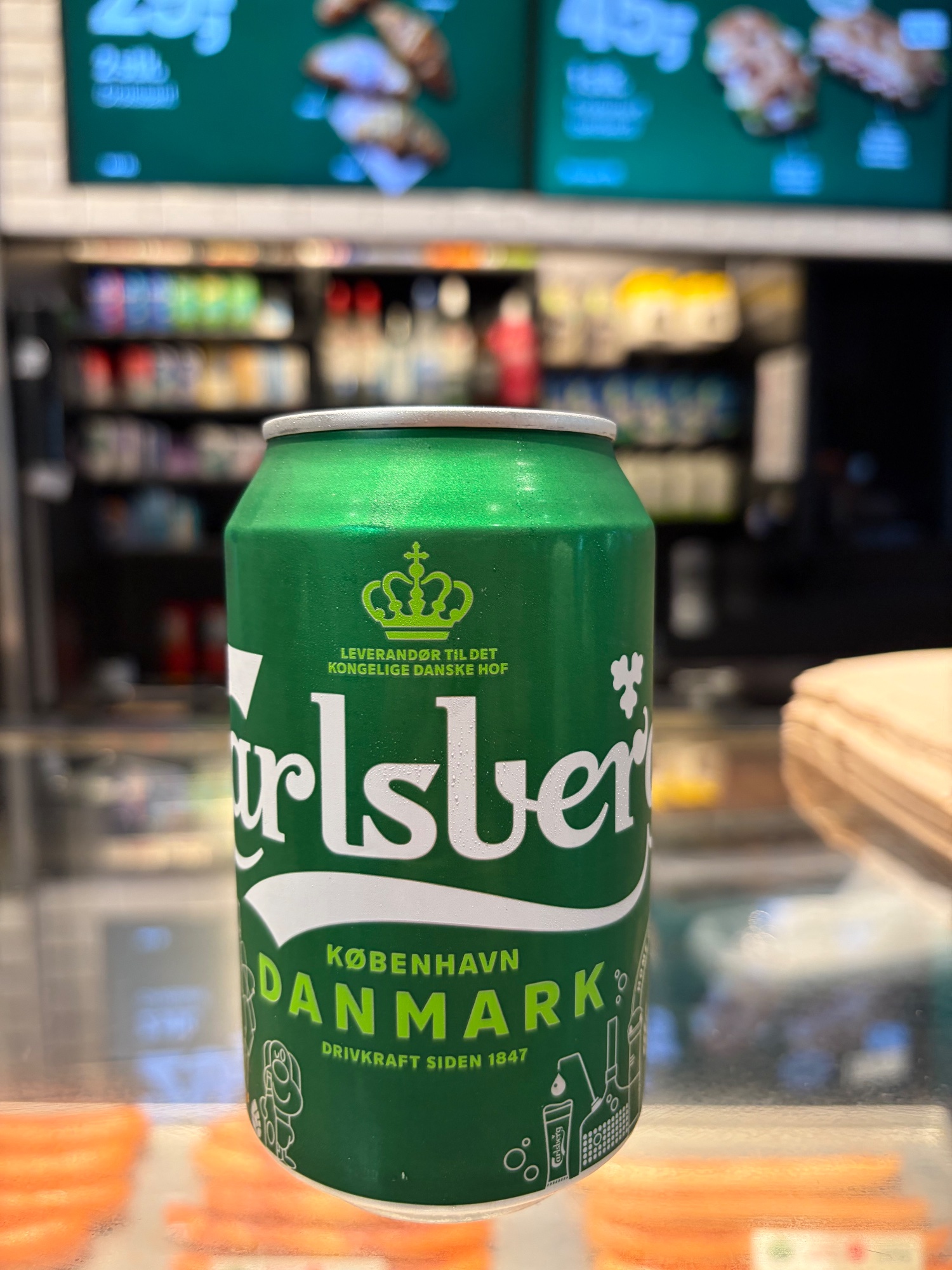
I only found out that Carlsberg was a Danish brand after arriving in Copenhagen, so I figured I had to pay tribute somehow. On my first day in the city, I went straight to buy a can of the beer Singaporeans call the "crown cap."
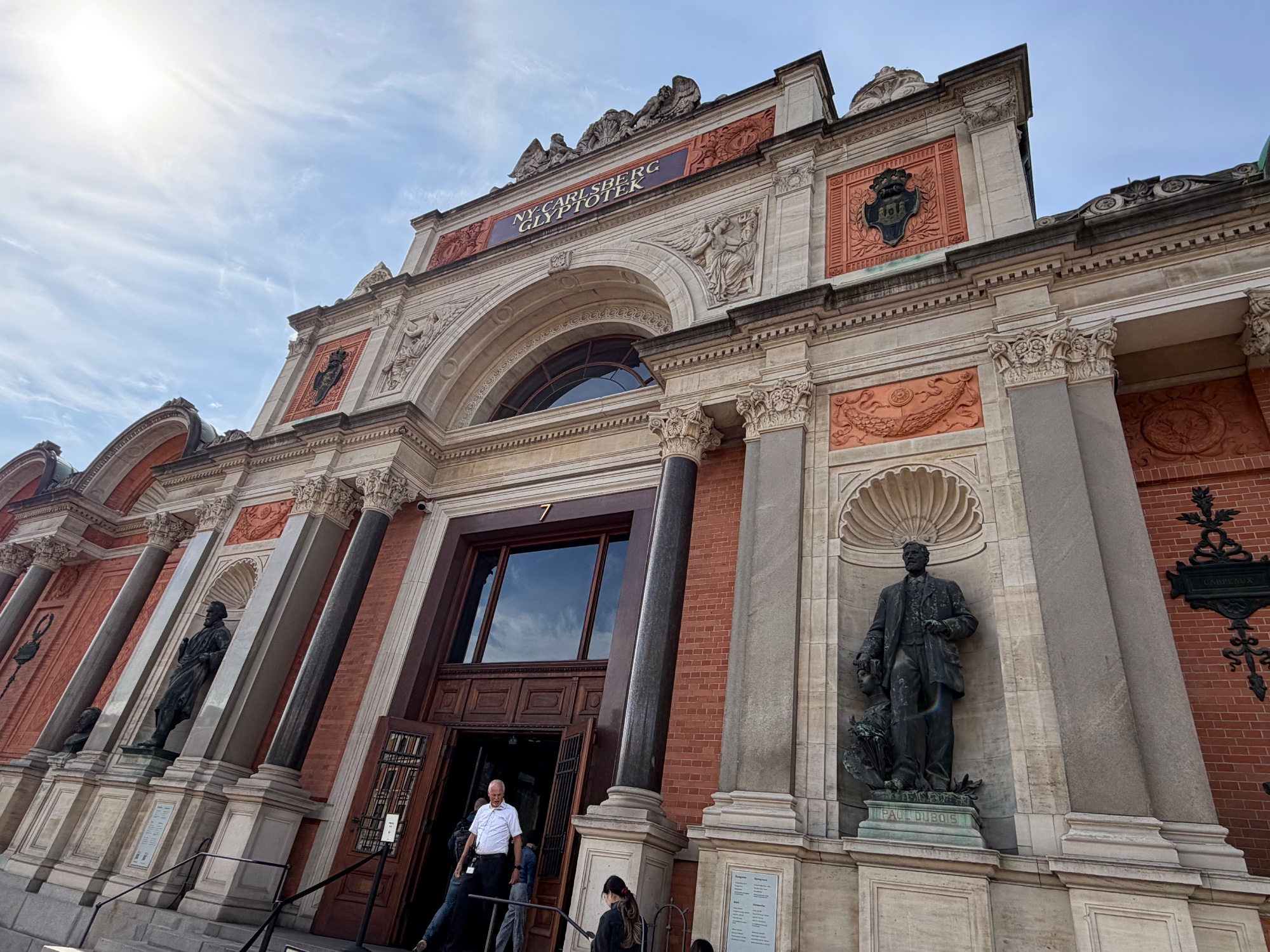
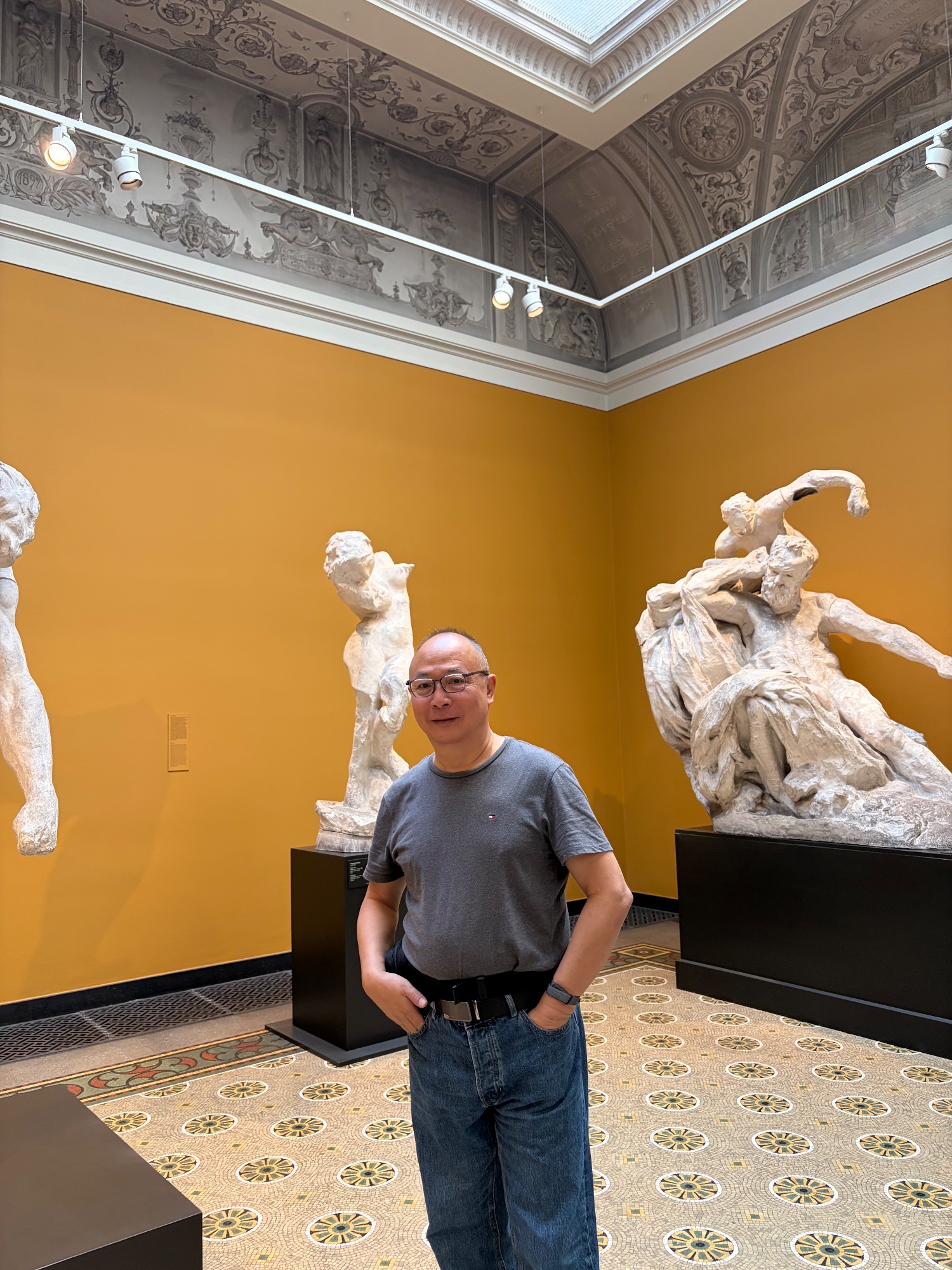
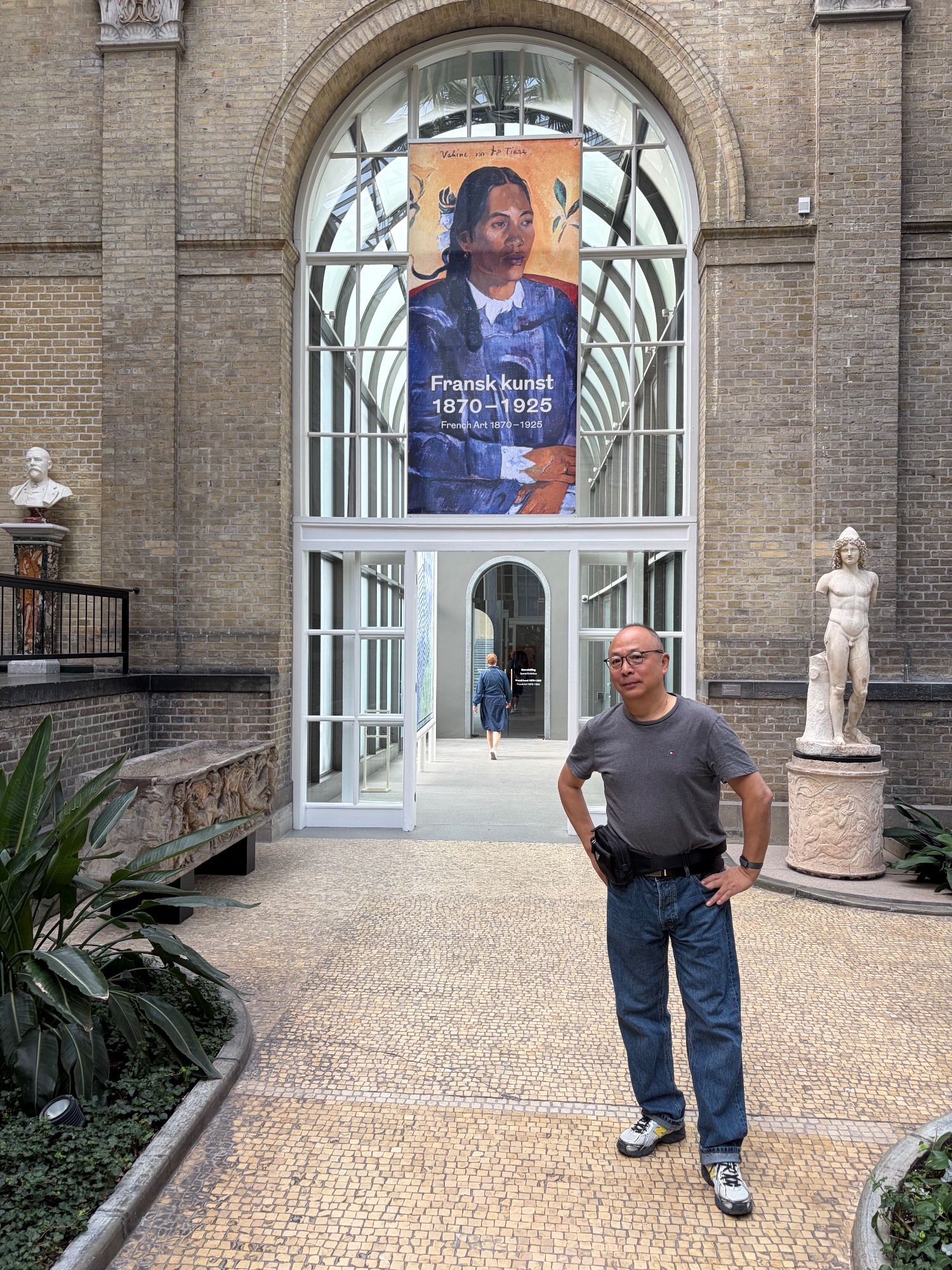
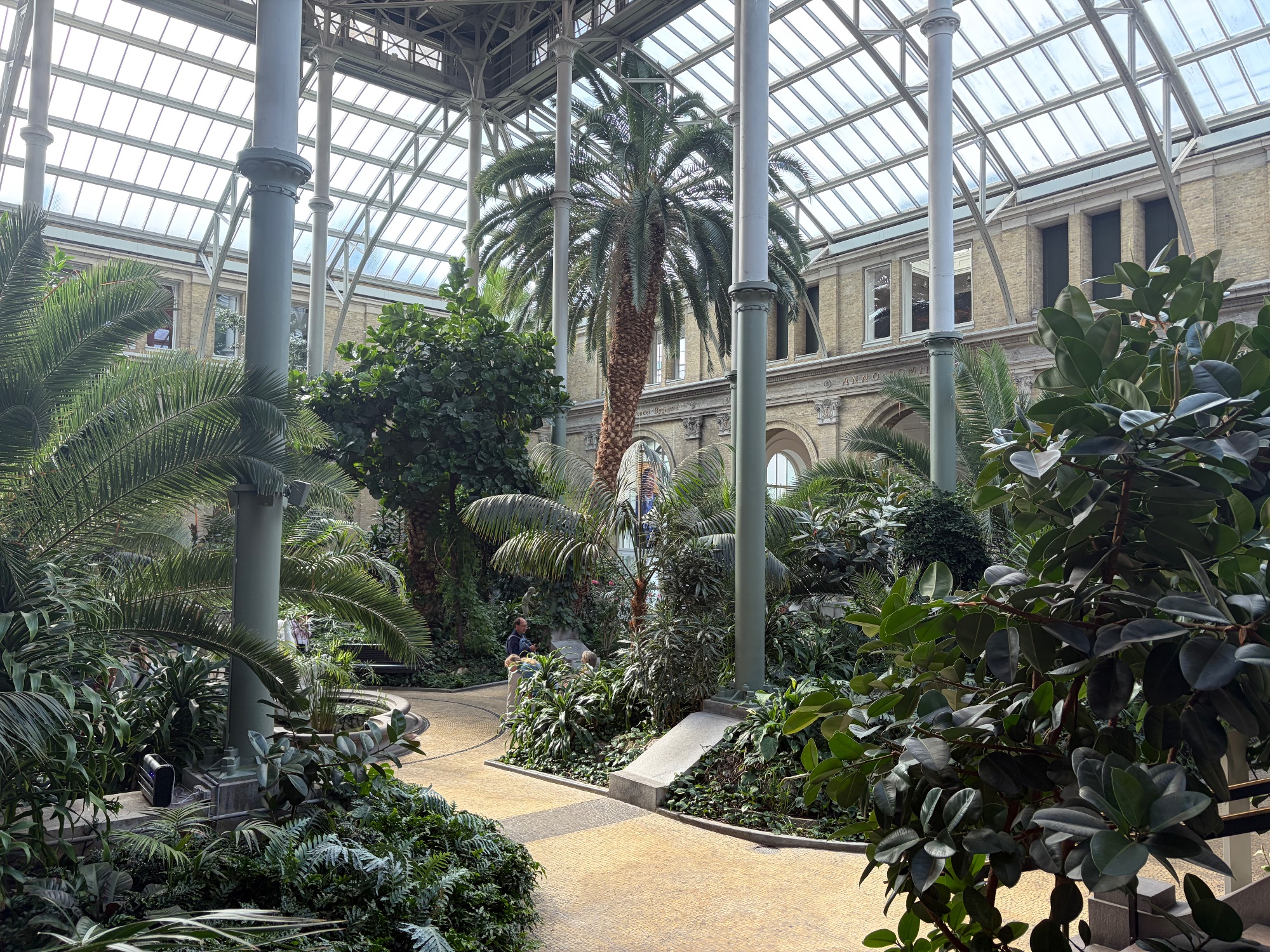
On my last morning before leaving Copenhagen, I learned that there was actually a Carlsberg sculpture museum near the central station. So I rushed over.
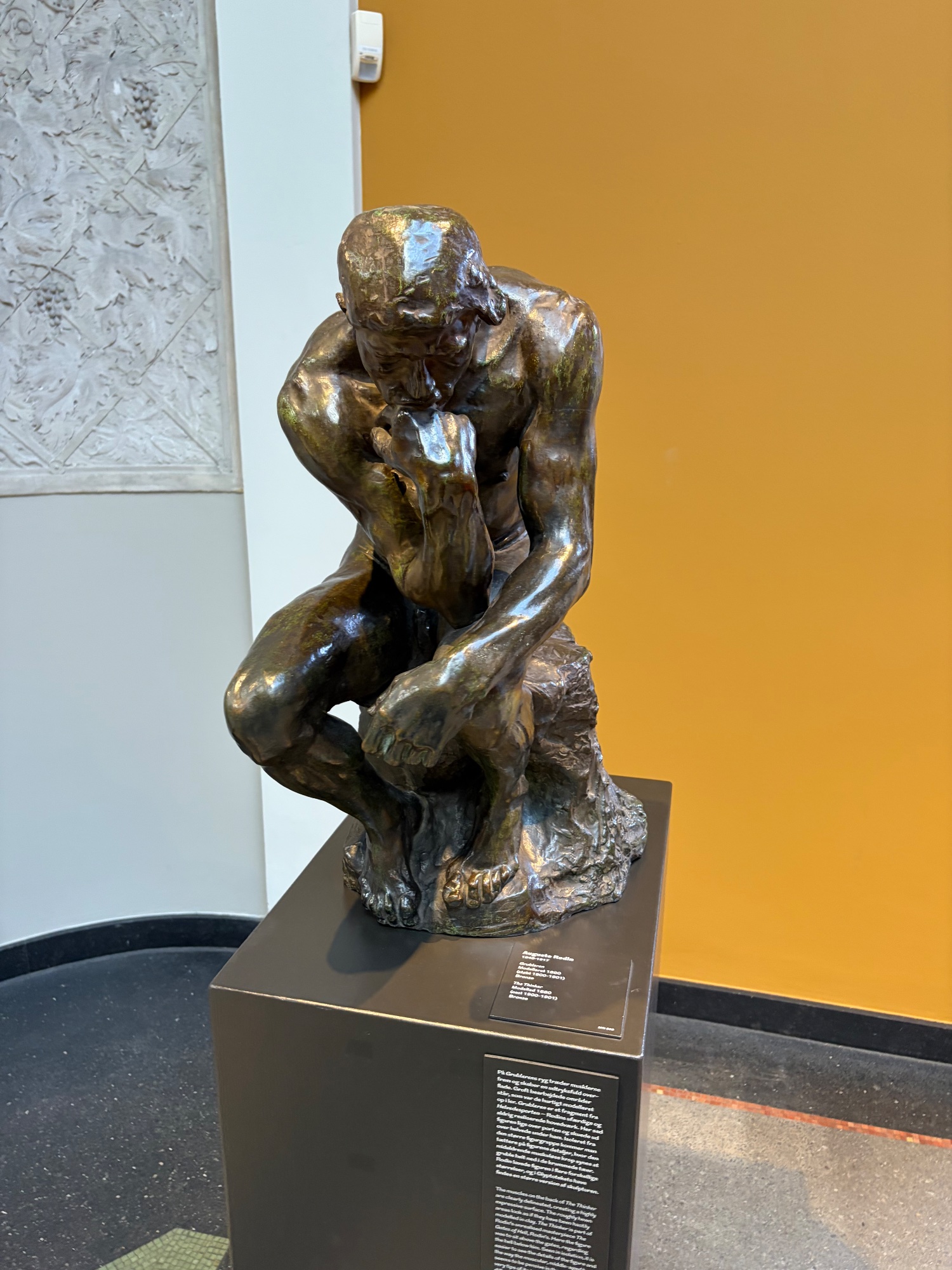
The founder's second-generation heir turned out to be an art collector. The sculpture museum houses a huge collection, especially works by the French sculptor Rodin, including "The Thinker."
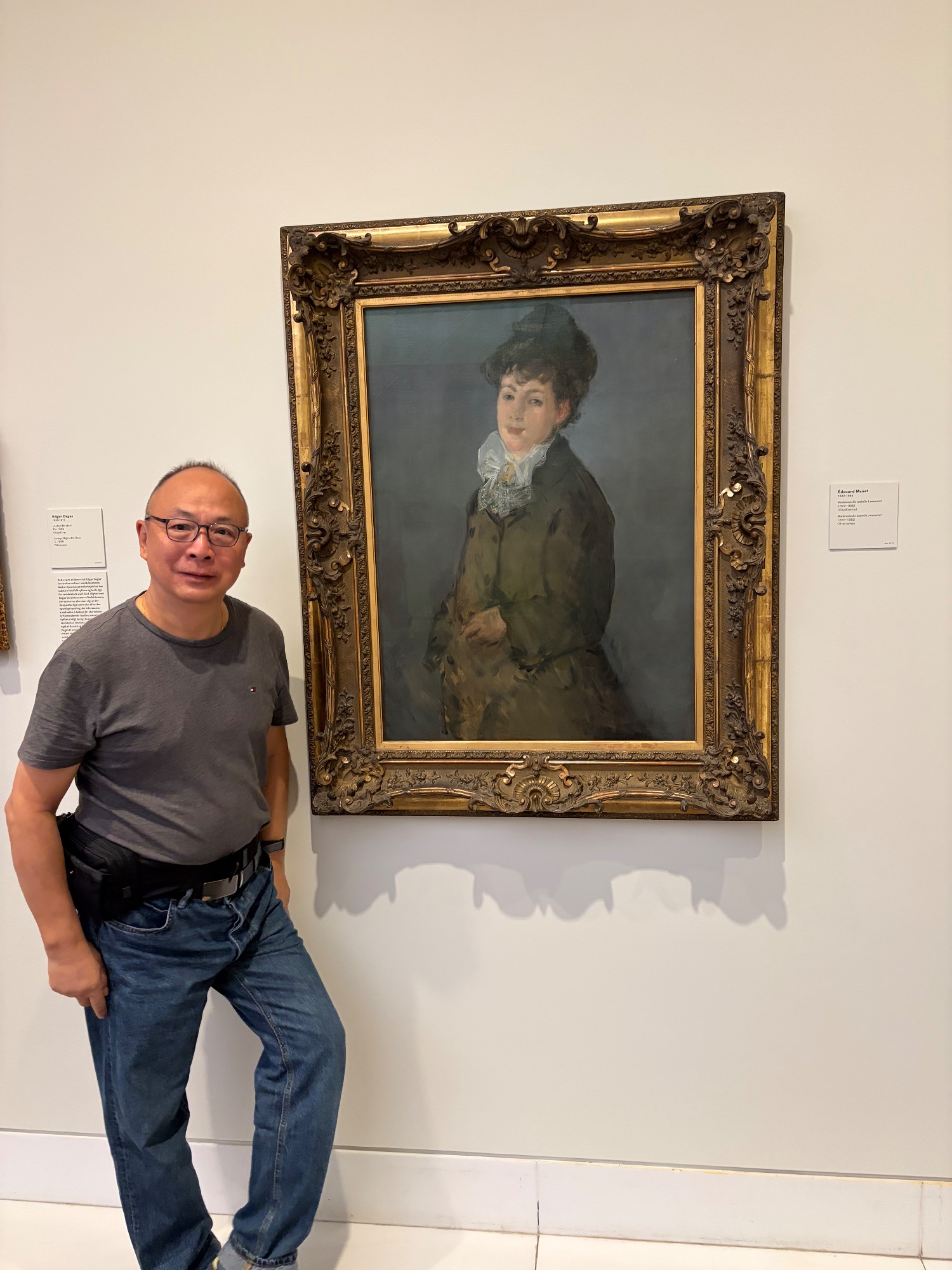
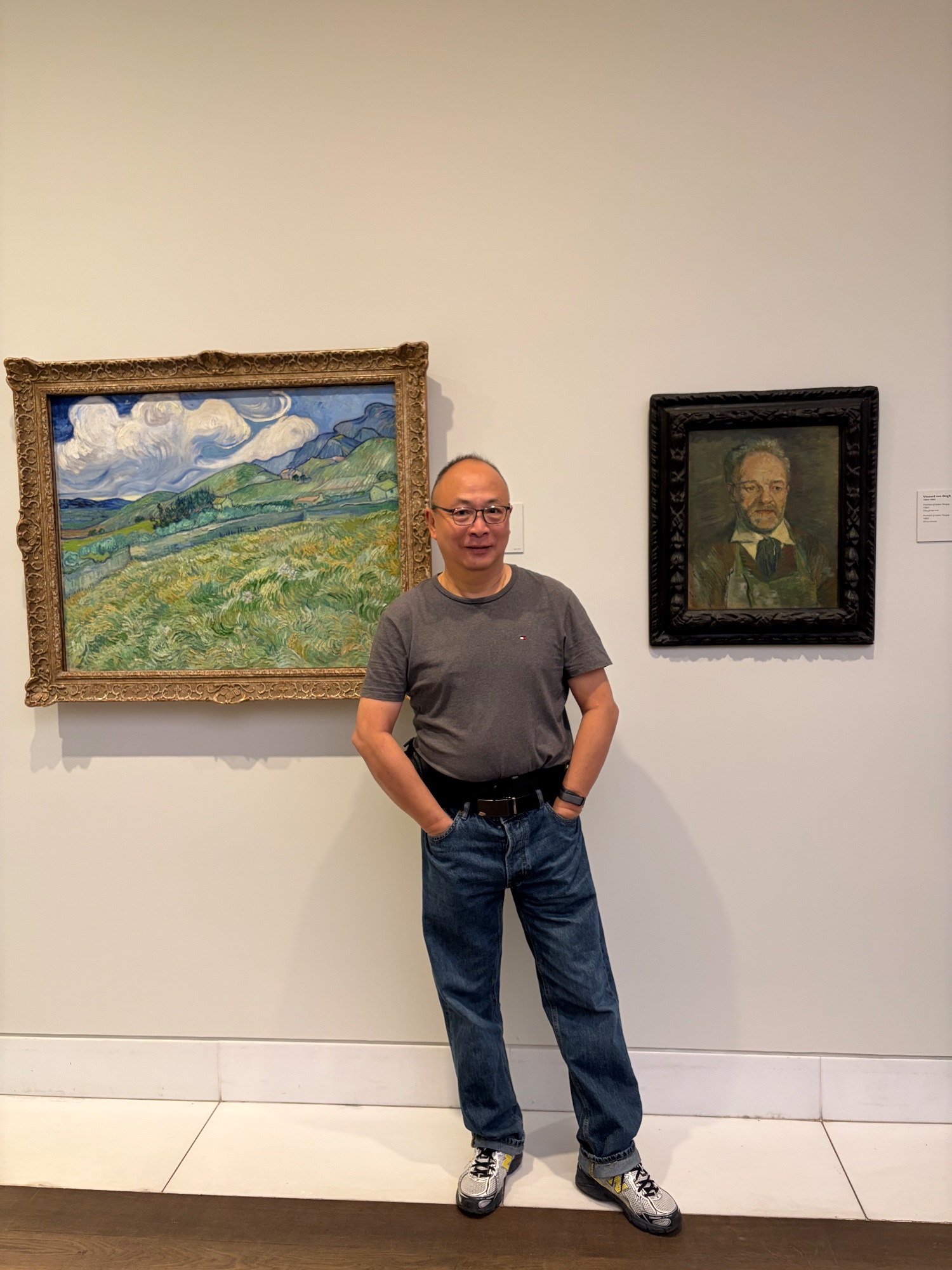
Beyond that, the French art exhibits were absolutely stunning — an impressive range of works by Gauguin, Van Gogh, Cézanne, and Degas. Seeing the originals in person gave this Copenhagen trip a special kind of meaning.
I never expected that trying to check off a Carlsberg beer would land me in a palace of art instead.
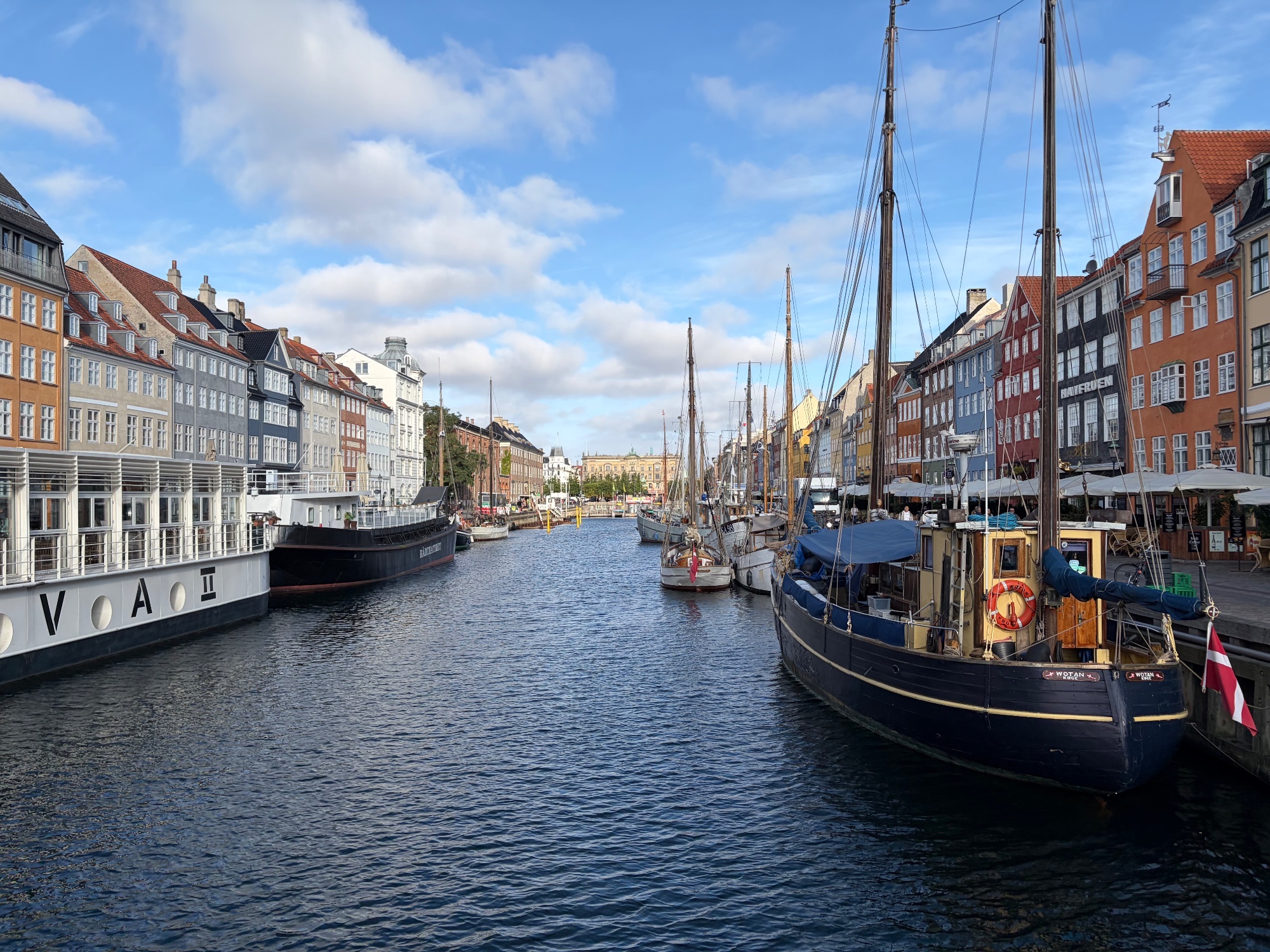
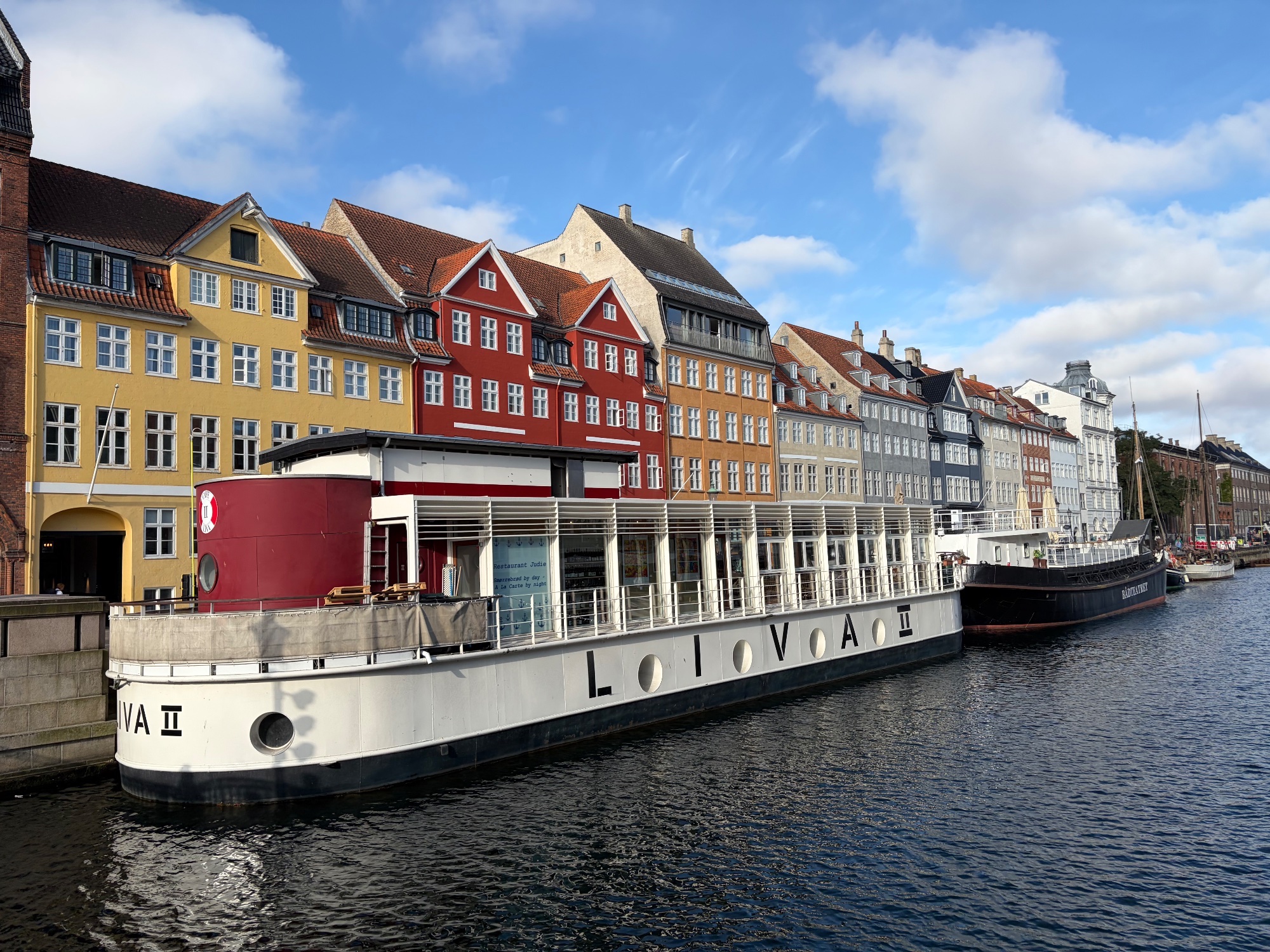
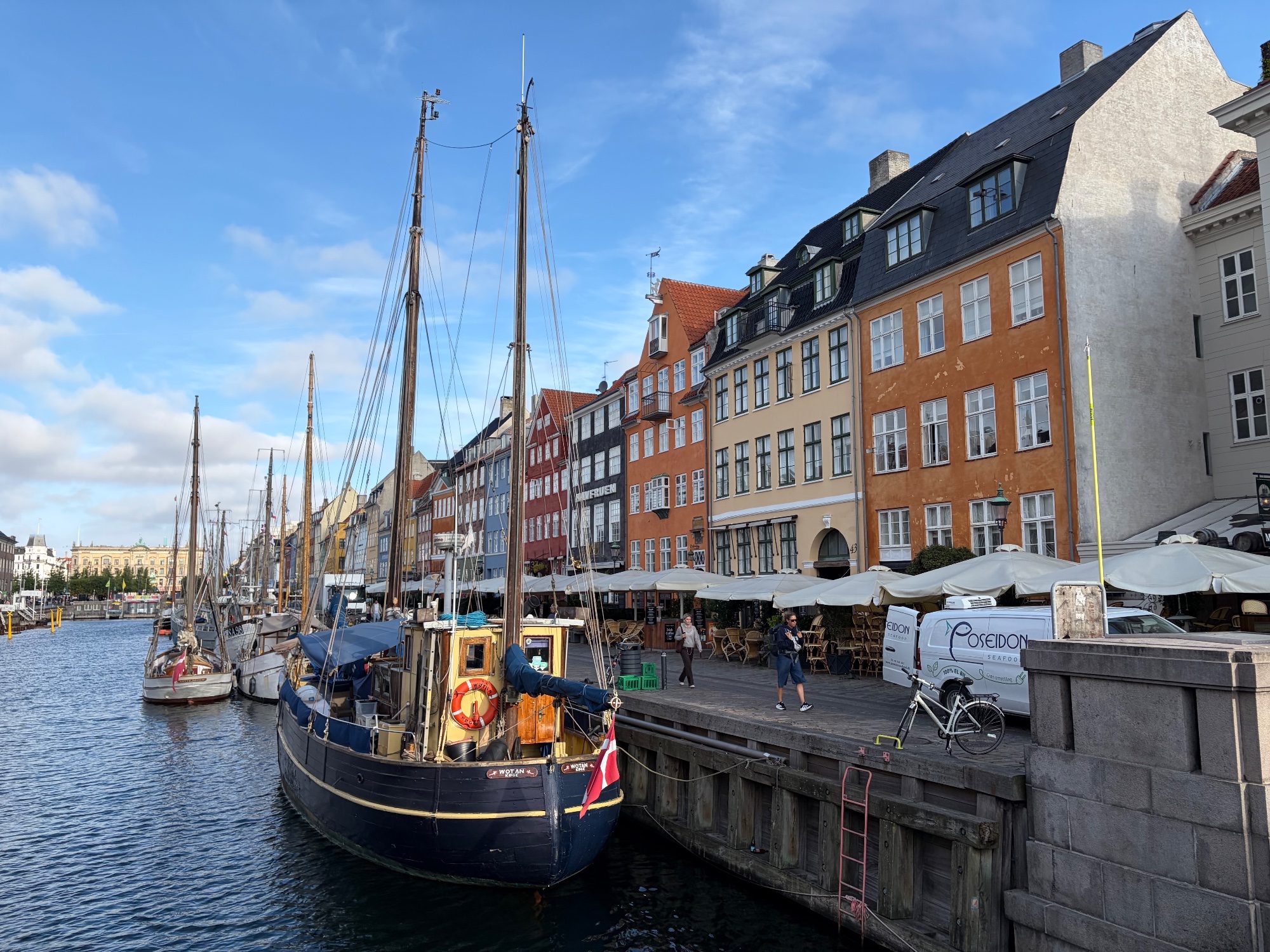
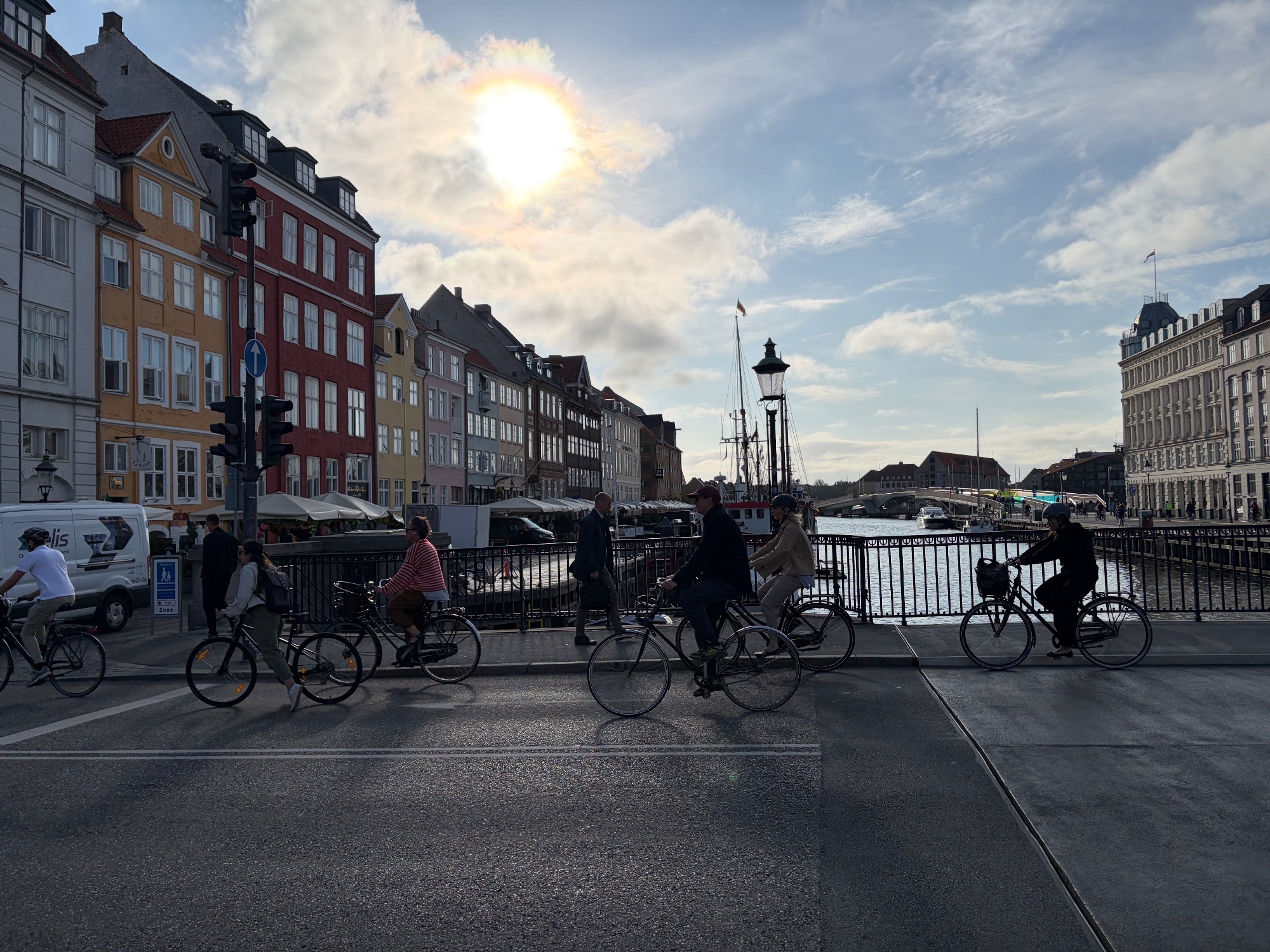
Nyhavn in Copenhagen was built in the 17th century and is the city's most iconic waterfront canal and entertainment district. I got here early in the morning when there were barely any tourists around — it really did feel like something out of a fairy tale.
This area is famous for the brightly colored old houses lining both sides of the canal, the wooden boats moored along the water, and the many restaurants and cafés. The famous fairy tale writer Hans Christian Andersen once lived here too.
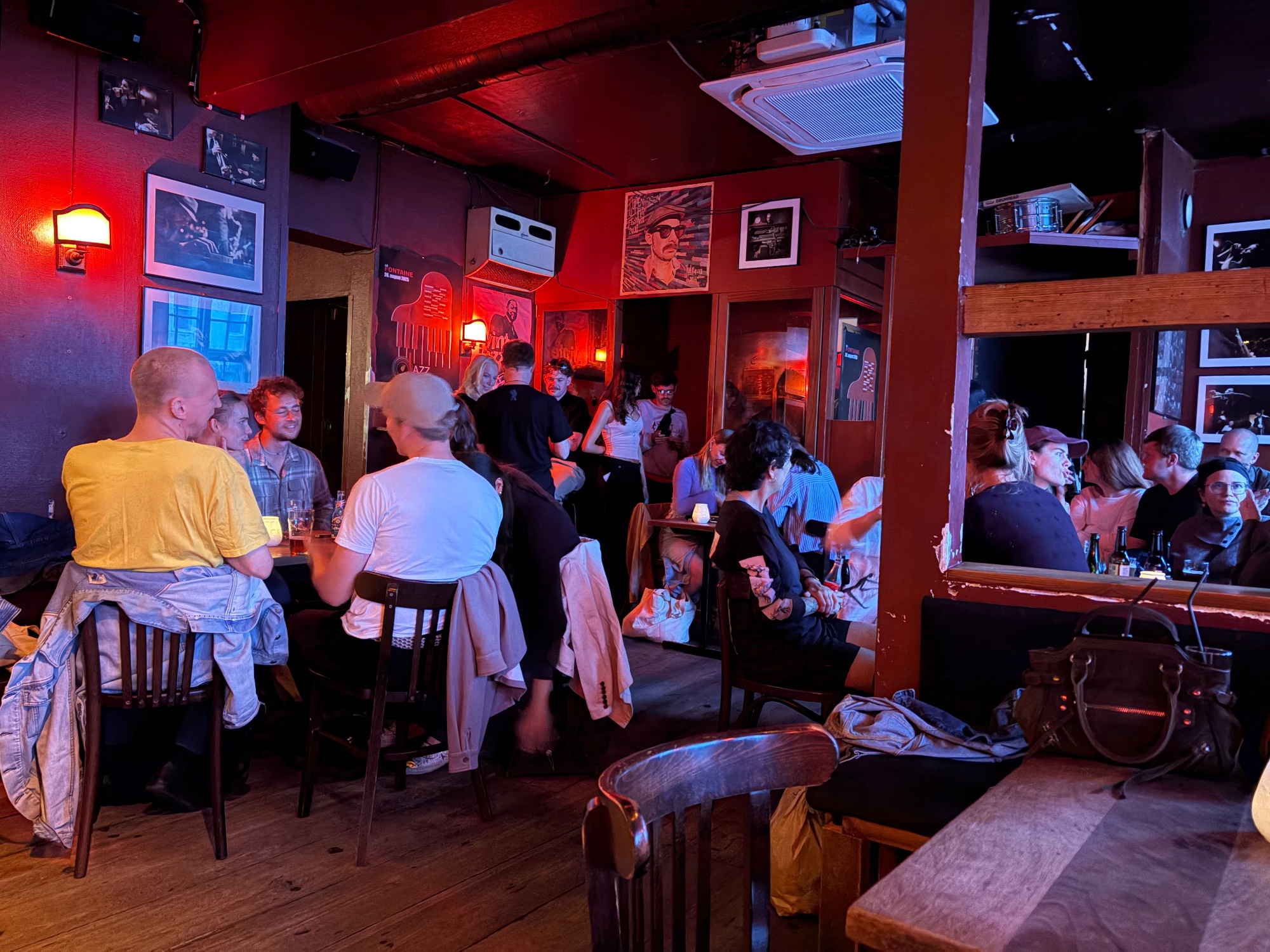
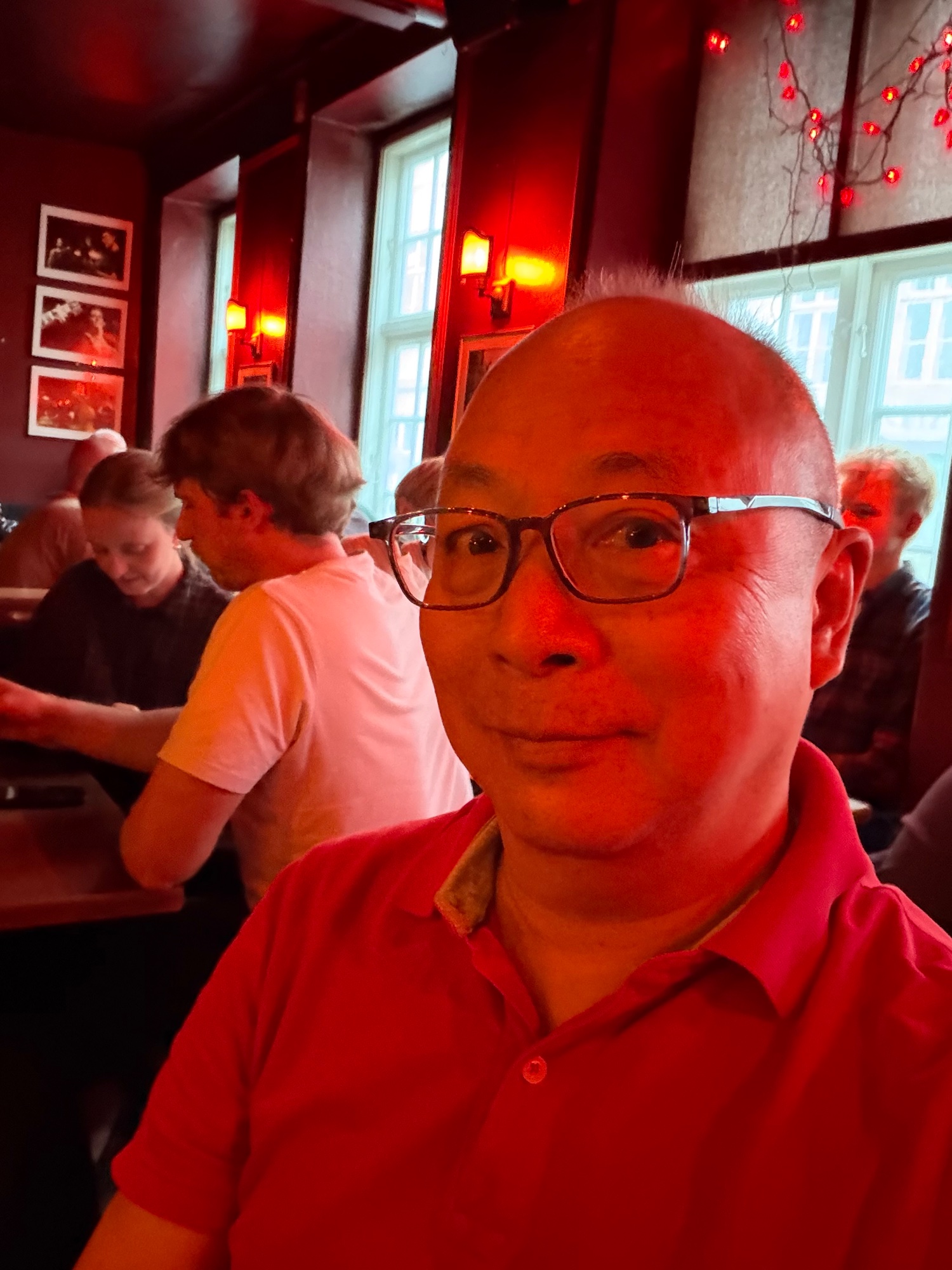
On my last night in Copenhagen, I knew I had to catch some jazz. Copenhagen earned its title as Europe's jazz capital back in the day by welcoming American jazz musicians with open arms. I biked over to La Fontaine, the oldest jazz club in Copenhagen and a real landmark of Danish jazz. Legends like Ben Webster, Dexter Gordon, and members of Duke Ellington's band have played here, and it's nurtured many important Danish jazz musicians too. Even Lady Gaga once jumped on stage here for an impromptu jam.
I locked up my bike and stepped into the low-ceilinged club, already packed with people squeezed together on every available seat, dim lights giving it a feeling of stepping back centuries.
But tonight, there was no jazz live show — it was a poetry reading instead. I felt disappointed and intrigued at the same time. Well, since I was already here, might as well embrace it. A poetry night could be nice too.
"Hey, are you from Japan?" the organizer asked as she shook my hand in welcome — the first thing she said to me. I laughed and told her where I was actually from. Then she asked my name, and I squeezed into an open seat.
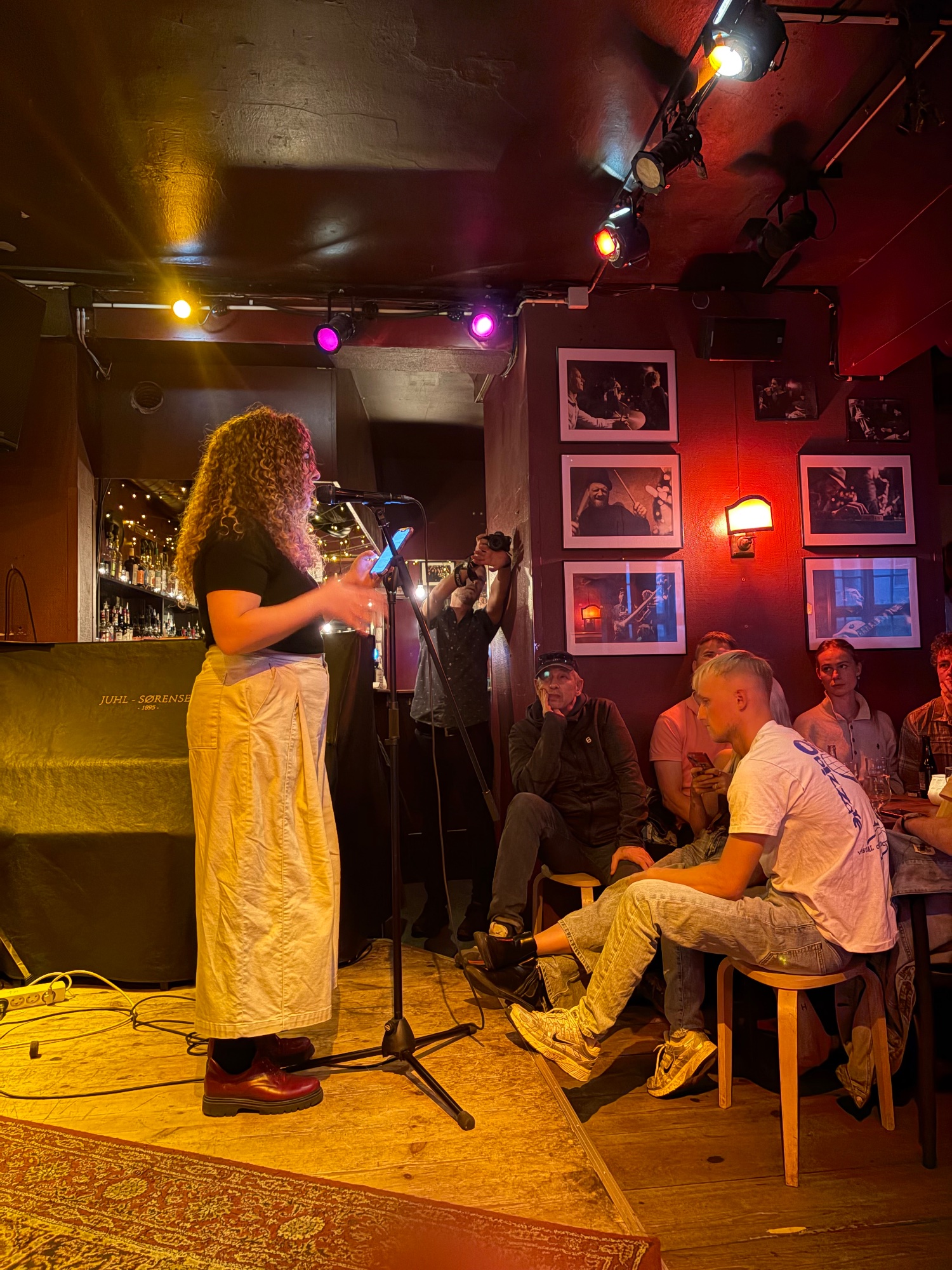
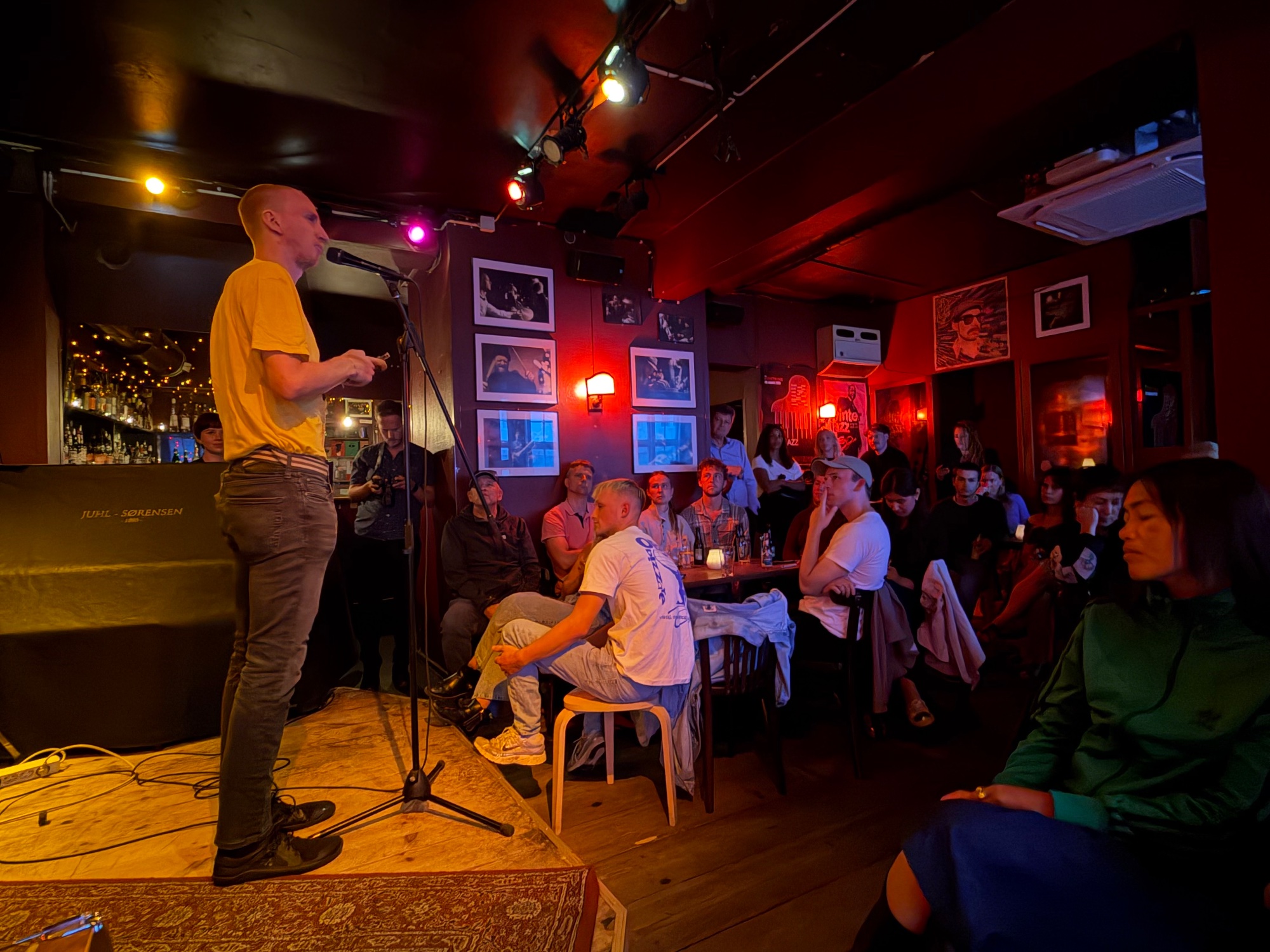
The reading began. Each poet could only read their own work, three minutes max. One by one, they held up their phones and read their pieces. I couldn't understand Danish, but the rhythm and cadence of their readings moved me like music, poem after poem. One poet read her work in English. Another poet, after reading his own poem, read a second one he'd written in collaboration with AI.
After each reading, the room erupted in applause and cheers.
About an hour in, the host called out my name and invited me up to read. I was completely caught off guard. I wouldn't have minded reading my own work in Chinese — I believe poetry transcends language, just as the Danish readings had moved me. But this time, I was there by accident, a stranger who'd wandered into the wrong garden. All I could do was apologize repeatedly amid everyone's applause.
After the reading, I digested the whole experience over a good meal at a small Andersen-themed restaurant. I knew then that even though my time in Copenhagen was short, I'd already left a piece of my heart there.
Next time, I'm bringing my own poems to join their reading night. And I'm definitely catching a few real jazz shows in Copenhagen too.
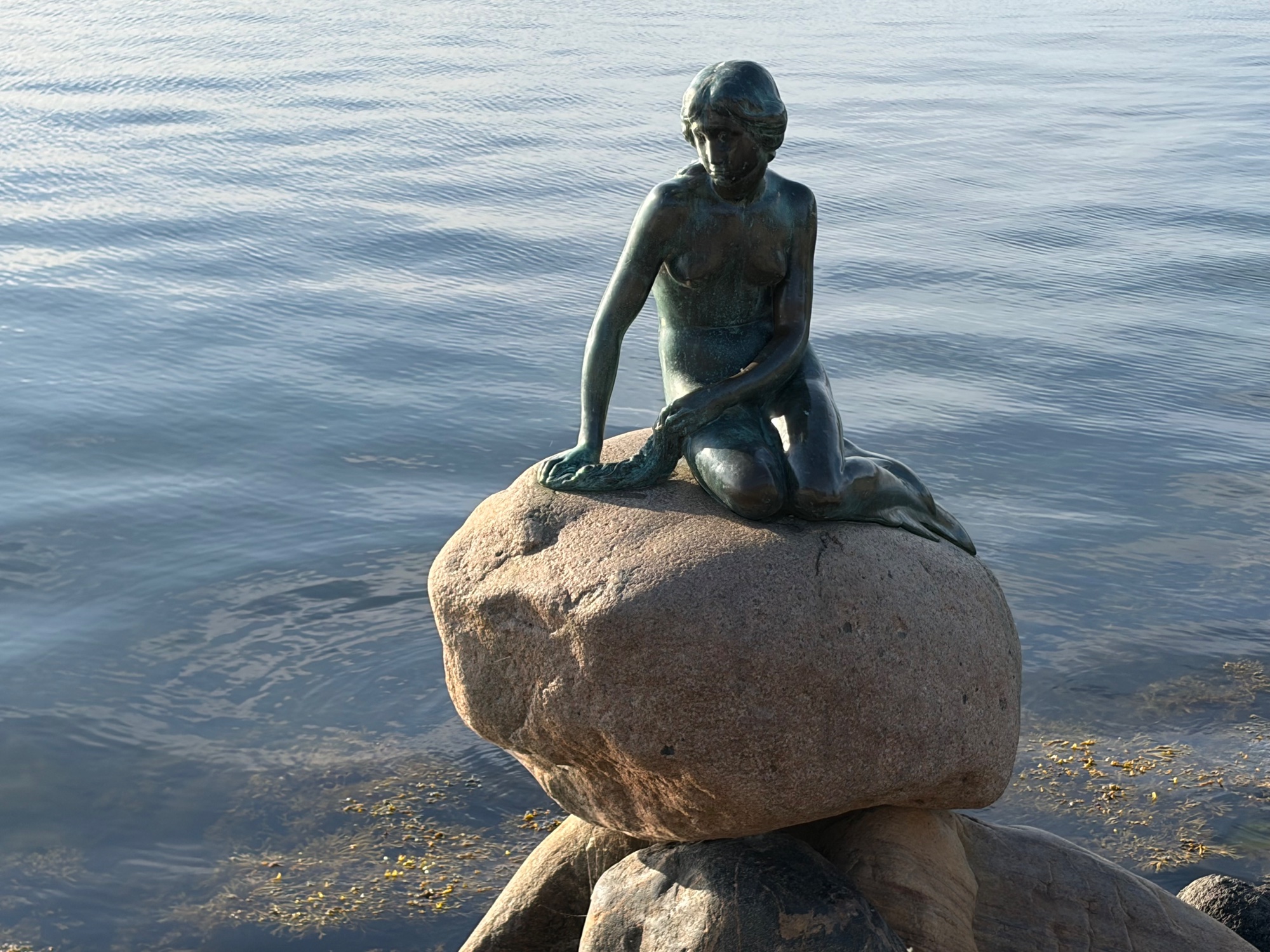
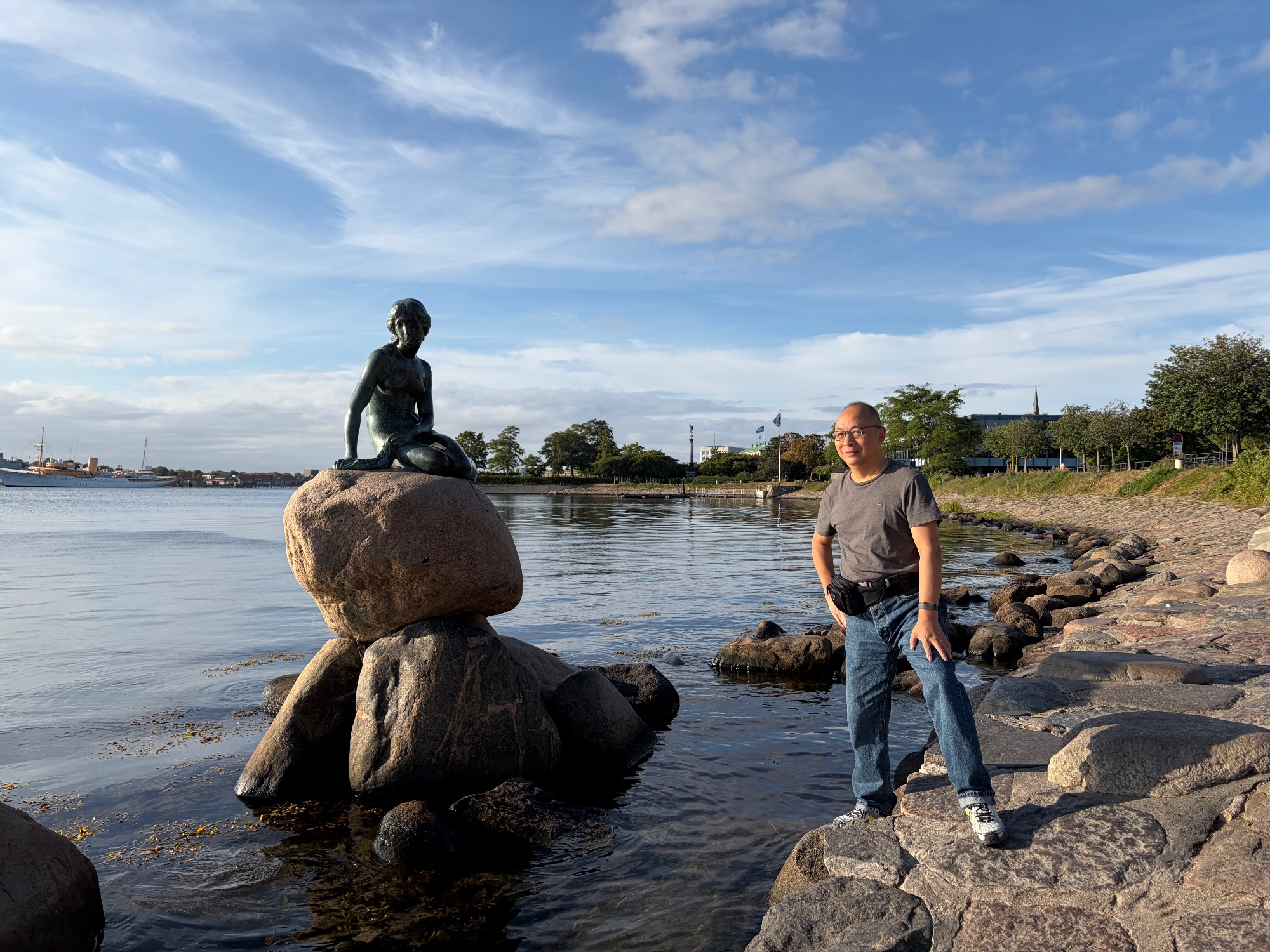
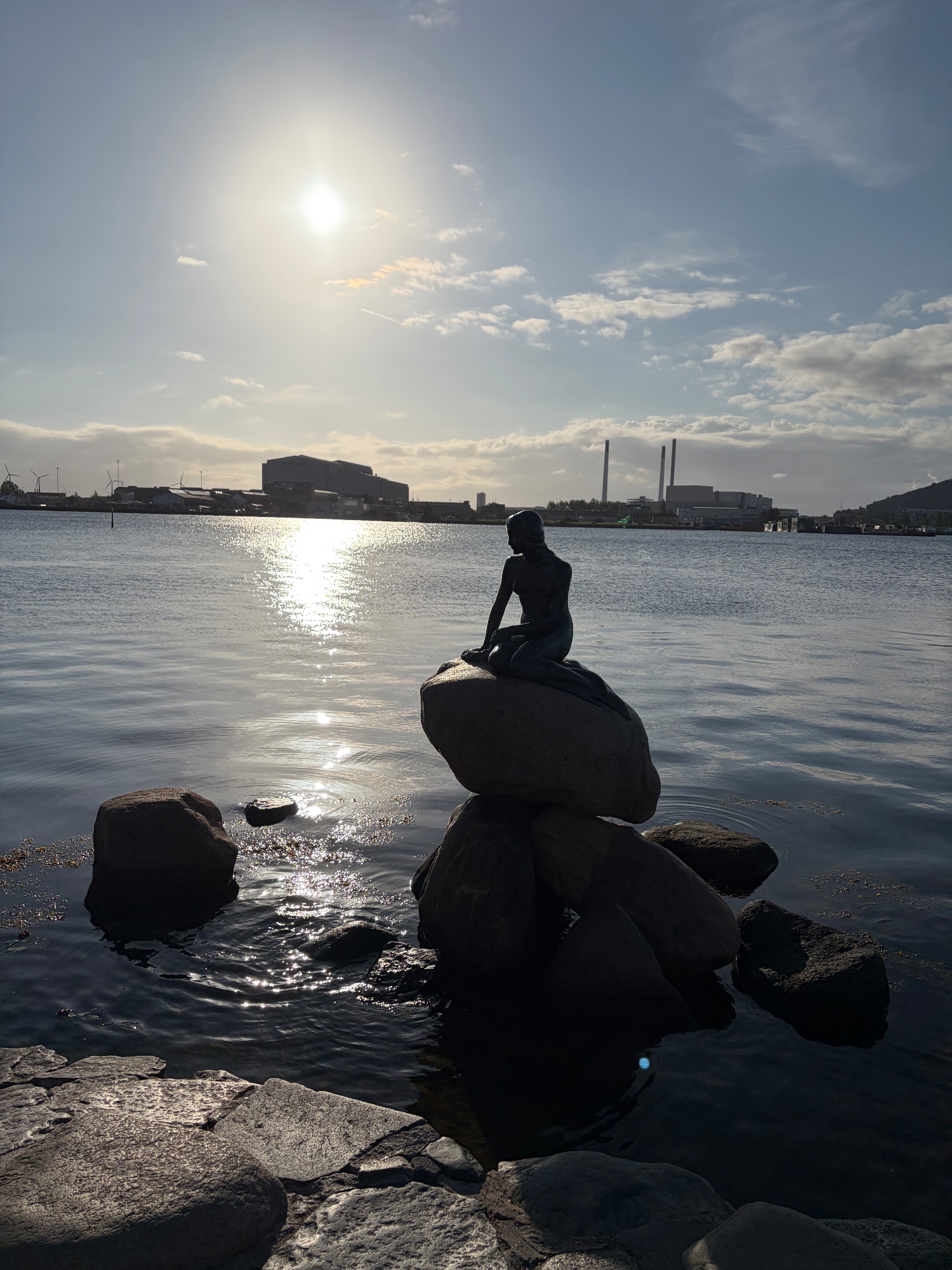
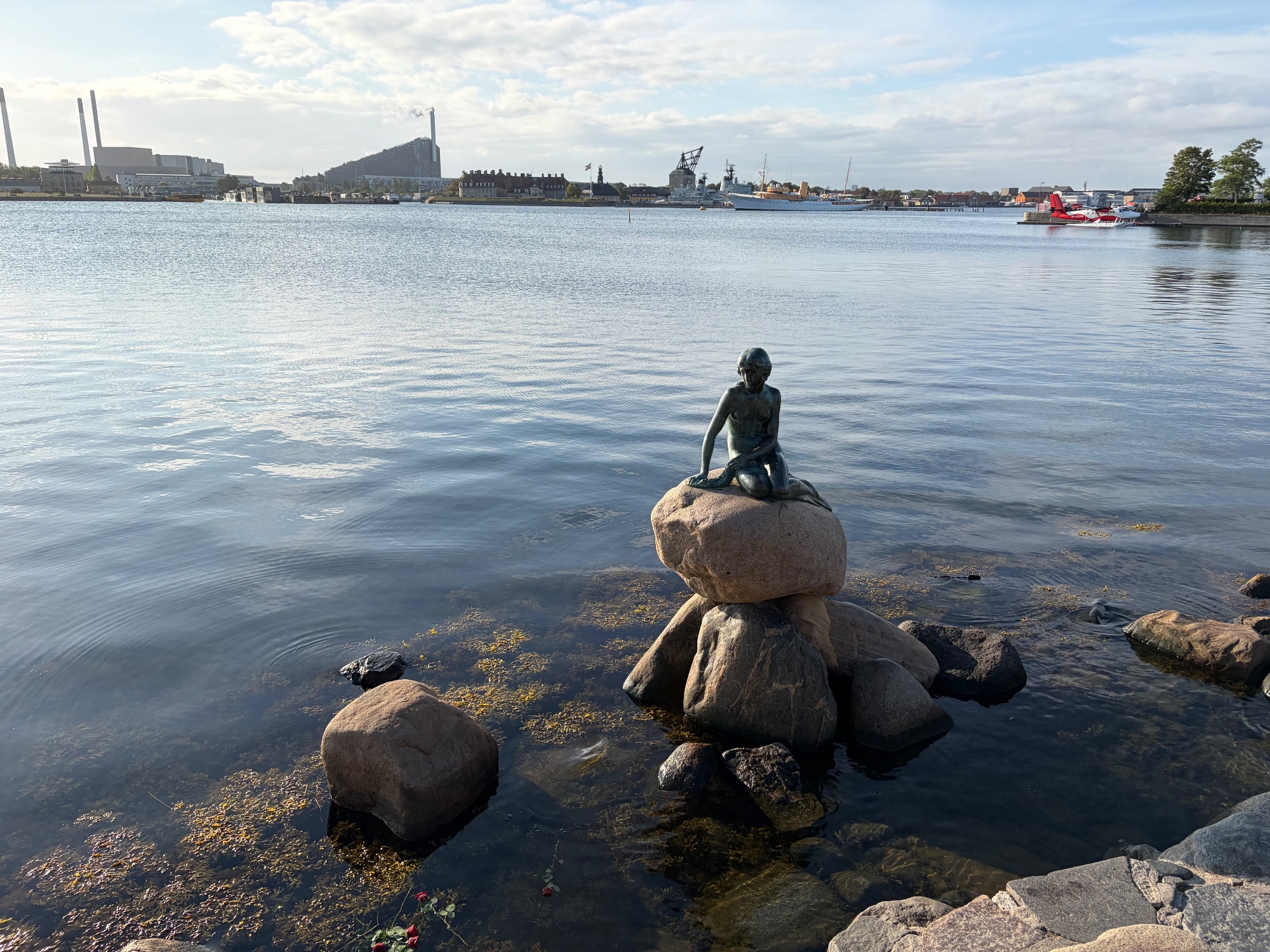
Early in the morning, I walked five kilometers from my place to the shore of the Baltic Sea, stepped into the crisp morning breeze, and stood beside the famous Little Mermaid sculpture.
The statue was inspired by Hans Christian Andersen's 1837 fairy tale "The Little Mermaid."
Back in 1909, Carl Jacobsen — son of the Carlsberg brewery founder, and a passionate art lover and philanthropist — was deeply moved after watching a ballet adaptation of Andersen's tale at the Royal Theatre in Copenhagen. The lead role was performed by ballerina Ellen Price, and Jacobsen was so impressed that he commissioned a sculptor to create a mermaid statue as a gift to the city of Copenhagen, with Price herself as the model.
The sculpture captures the mermaid mid-transformation from sea creature to human — her legs and fish tail still partially merged — her expression serene, touched with a quiet melancholy, her gaze fixed on the sea.
I arrived early and met a young woman from Japan near the statue. We helped each other take photos. When I left, she was sitting on the rocks, lost in thought, as if she couldn't quite bring herself to go.
The Little Mermaid is a symbol of Copenhagen — and of Denmark as a whole — a reflection of the Danish people's deep appreciation for literature, art, and the sea.